
Affiliate Disclosure: As an Amazon Associate, we earn from qualifying purchases.
Tip: Check the latest price, product details, and current availability on Amazon or the retailer page before making a final decision.
Whether you’re shaping roses, trimming branches, or maintaining a vegetable garden, a good pair of pruning shears is one of the most used tools in your shed. With so many options—bypass vs. anvil, different blade materials, handle sizes—it’s easy to feel overwhelmed. We’ve looked at 8 of the most popular models available as of September 2026 to help you decide which pair suits your hands, your garden, and your budget. For more useful gardening gear, check out our Gardening Tools category.
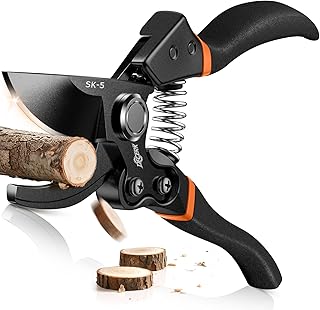


Not all pruning shears are created equal. The right choice depends on what you’re cutting, how often, and the size of your hands. Here are the most important factors to consider.
Bypass vs. Anvil: Which Cutting Mechanism to Choose
Bypass shears work like scissors: two blades slide past each other for a clean cut. They’re ideal for live wood and delicate stems because they don’t crush the plant. Most of the pruners in this guide are bypass style. Anvil shears have a single blade that chops against a flat surface; they’re better for dead wood or thick, dry branches but can crush live growth. If you mostly prune live plants, stick with bypass.
Blade Material and Coating
Steel quality affects sharpness retention and rust resistance. High-carbon steel (often Japanese SK5 or SK-5) holds an edge well. Titanium coatings reduce friction and prevent sap sticking, which is helpful if you prune resinous plants. Stainless steel blades resist corrosion but may not stay sharp as long as carbon steel. Look for blades with a low-friction coating if you cut a lot of green growth.
Handle Comfort and Grip
Pruning involves repetitive hand motions, so comfort matters. Handles with non-slip rubber or cushioned grips reduce fatigue and improve control. Some models offer ergonomic designs or rotating handles that align with your wrist. If you have arthritis or weaker hands, look for shears labeled as arthritis-friendly or with a geared mechanism that multiplies force.
Cut Capacity and Branch Thickness
Most pruning shears can handle branches up to 3/4 inch thick. Some heavy-duty models go up to 1 inch or more. If you regularly cut thicker wood, you may want a longer handle or a ratcheting design. For light trimming of flowers and small stems, a 1/2-inch capacity is sufficient. Always match the tool to the job to avoid blade damage.
Sap Groove and Self-Cleaning Features
A sap groove (a channel on the blade) helps prevent sticky residue from binding the blades. Self-cleaning mechanisms push sap away with each cut. This is particularly useful if you prune fruit trees or evergreens. Without it, you’ll need to clean the blades more frequently to maintain smooth operation.
Weight and Size
Lightweight shears (around 8–10 ounces) are easier to use for extended periods. Larger handles suit big hands, while compact models work well for smaller hands or close work. Check the overall length: most are 8 to 9 inches. A good balance between weight and leverage improves control.
Durability and Replaceable Parts
Higher-end shears often have replaceable blades and spare parts, which extends their lifespan. For example, Swiss-made models like the Felco F2 allow you to replace the blade, spring, and bolt. This is a worthwhile investment if you prune professionally or have a large garden. Budget models are often disposable, but they still offer good value for occasional use.
Why You Should Trust Us
At Picks Worth Buying, we focus on real-world usefulness. Our recommendations are based on available product specifications, listed features, customer feedback from verified buyers, and practical considerations like comfort, cutting performance, and value. We do not claim to have tested every product ourselves, but we carefully compare the data to highlight meaningful differences. Our goal is to help you make an informed choice without the hype. For more gardening gear, explore our Garden category.
Final Thoughts
If you want a professional-grade tool that will last for years, the Felco F2 Pruning Shears are the strongest all-around option. They’re Swiss-made, have replaceable parts, and feature a comfortable ergonomic handle that suits most hands. For a budget-friendly workhorse that still offers excellent cutting performance, the Fiskars Bypass Pruning Shears are a top choice—they have a self-cleaning blade and a non-slip grip at a very accessible price. If you have arthritis or limited hand strength, the DECERK Professional Pruning Shears are designed for easier cutting and include a titanium-coated blade that stays sharp.
Ultimately, the best pruning shears for you depend on your hand size, how often you garden, and the types of plants you trim. Consider the trade-offs between weight, durability, and price to find a pair that feels right. For more practical buying guides, see our Best Lint Removers or Best Luggage Scales.
Frequently Asked Questions
What size pruning shears do I need?
Most pruning shears are about 8 to 9 inches long and work well for average-sized hands. If you have large hands, look for a model with longer handles like the TABOR TOOLS S834A. Compact shears (around 7 inches) are better for small hands or precision work.
Can I use pruning shears on thick branches?
Standard bypass shears handle branches up to 3/4 inch. For thicker branches, you’ll need loppers or a pruning saw. The electric cordless pruners in this guide can cut up to 2 inches but are heavier and more expensive.
How do I clean and maintain my pruning shears?
Wipe blades after each use with a dry cloth. For sticky sap, use a solvent like rubbing alcohol. Oil the pivot joint occasionally with lightweight machine oil. Sharpen the blade with a fine file or stone when it becomes dull. Replaceable blade models make maintenance easier.
Are titanium-coated blades worth it?
Titanium coatings reduce friction and prevent sap sticking, which makes cutting smoother. They also add a layer of corrosion resistance. However, the coating can wear off over time with heavy use. For occasional gardening, it’s a nice bonus; for daily professional use, high-carbon steel without coating is often more durable.
What is the difference between bypass and anvil pruners?
Bypass pruners cut with a scissor action, making clean cuts on live wood. Anvil pruners crush the stem against a flat blade, which is better for dead or dry branches but can damage live plants. Most gardeners need bypass pruners.
Are expensive pruning shears better?
Not always, but higher-priced shears (like the Felco F2) often have better steel, ergonomic handles, and replaceable parts. Budget shears (like the Fiskars) can still perform well for light to medium use. Consider how often you prune and your budget.
Can left-handed people use these pruning shears?
Most pruning shears are designed for right-handed use. A few brands offer left-handed versions, but they’re less common. If you’re left-handed, look for ambidextrous models or ones with a symmetrical handle design.
How long do pruning shears typically last?
With proper maintenance, quality shears can last 5–10 years or more. Replaceable blade models extend lifespan. Budget shears may last 1–3 years depending on usage.
Do I need electric pruning shears?
Electric pruners are useful for people with limited hand strength or for heavy pruning of many branches. They’re heavier, pricier, and require battery charging. For occasional use, manual shears are simpler and more reliable.
What is the best pruning shears for arthritis?
Look for models with a ratcheting mechanism or ergonomic padded handles. The DECERK and some Fiskars models are often recommended for arthritis sufferers due to their easier cutting action and cushioned grips.