
Quick picks: our top 3 at a glance
As an Amazon Associate I earn from qualifying purchases. Prices and availability change.

If you spend your workdays jumping between video calls, you already know how frustrating muffled audio and background noise can be. A dedicated conference speaker replaces your laptop’s tinny sound with clear, full-range pickup that lets everyone be heard without repeating themselves. But with so many options—varying in microphone count, connection type, and platform certification—it’s easy to get lost in specs. In this guide, we look at 6 conference speakers available in November 2026 and break down what actually matters when choosing one for your home office, small team, or meeting room.
Whether you need something portable for hot-desking or a unit that can handle a 14-person room, the right choice depends on your typical call setup and the software you use. We’ll cover features like noise cancellation, echo reduction, and compatibility with platforms like Zoom, Teams, and Google Meet. If you’re also looking to organize your desk, check out our guide to the best USB C hubs for a cleaner workspace.
At a Glance
| Product | Brand | Rating | Key feature | Where to buy |
|---|---|---|---|---|
| Anker PowerConf Speakerphone, Zoom Certified Conference Speaker wit… | Anker | – | 360° Coverage: 6 microphones arranged in a 360° array pick up voices from all di… | View on Amazon |
| Jabra Speak 510 (2025 Edition) Portable USB Bluetooth Speaker, Black | Jabra | 4.7 / 5 | EXCELLENT SOUND FOR MEETINGS: Enjoy crystal-clear audio that makes every call and… | View on Amazon |
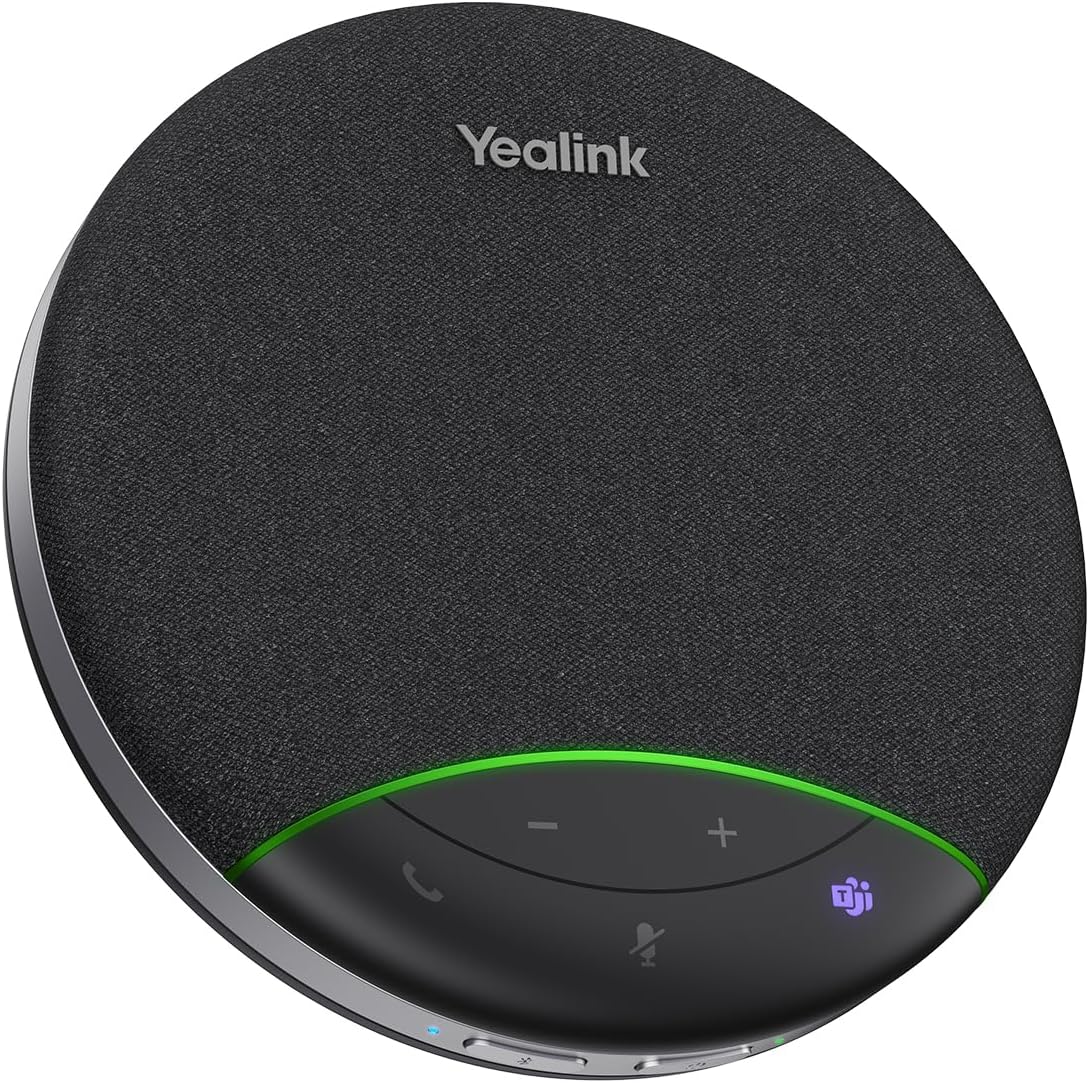
| Yealink Sp92 Conference Speaker and Microphone Teams Certified Mic… | RedefineYourWorkplace | 4.1 / 5 | Crystal-Clear Conference Calls: The SP92 speakerphone delivers exceptional audio q… | View on Amazon |
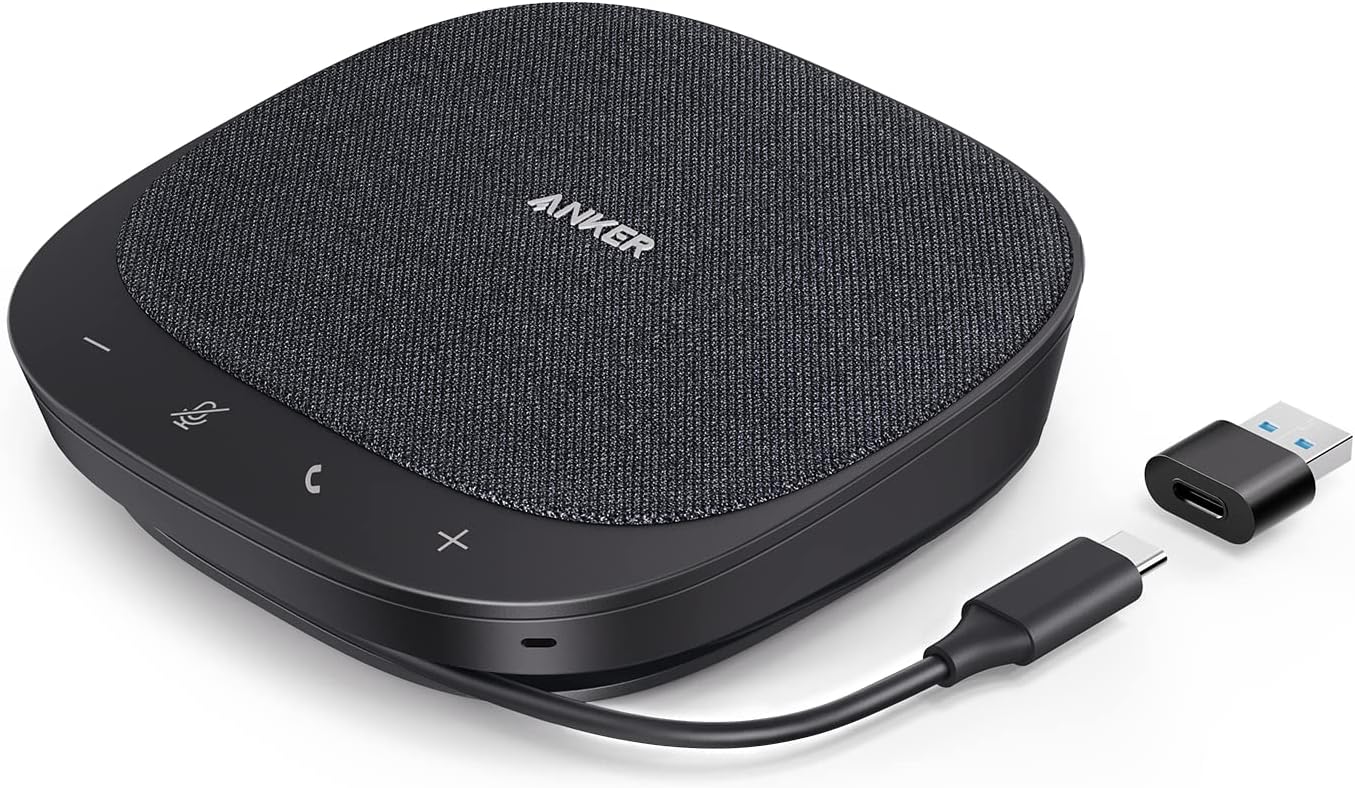
| Anker PowerConf S330 USB Speakerphone for Home Office, Plug and Play | Anker | 4.4 / 5 | Smart Voice Enhancement: Eliminate background noise while simultaneously enhancing… | View on Amazon |
| Jabra Speak 510 (2025 Edition) Portable, USB or Wireless Bluetooth… | Jabra | – | EXCELLENT SOUND FOR MEETINGS: Enjoy crystal-clear audio that makes every call and… | View on Amazon |
Ratings come from the Amazon listings when we last checked and can change.
Pros
- Clear 360° voice pickup
- AI noise and echo cancellation
- Automatic voice balancing
- Easy Bluetooth and USB-C setup
- Zoom certified for conferencing
Pros
- Clear voice audio for professional calls
- Simple USB or Bluetooth setup
- Portable and comes with carrying case
- 360-degree microphone picks up all voices
- Long 15-hour battery life
Cons
- May need direct USB connection to avoid handshake issues
- Not waterproof
Pros
- Effective AI noise cancellation
- 360-degree audio pickup for small groups
- 20-hour battery for all-day meetings
- Lightweight and includes carrying case
- Works with major conferencing platforms
Cons
- Mono audio output only
Pros
- Clear voice pickup in noisy environments
- Simple USB-C plug and play setup
- Compact and portable design
- Good audio quality for calls and music
- Reliable wired connection
Cons
- No wireless or Bluetooth option
- Microphone range limited to 3 meters
Pros
- Easy Bluetooth or USB connectivity
- Portable with included travel case
- 360-degree microphone picks up all voices
- 15-hour battery life for long meetings
- Works with Microsoft Teams and UC platforms
Cons
- Not waterproof
- Only one built-in microphone

Pros
- AI noise and echo cancellation for clear calls
- Full duplex audio for natural meetings
- Microsoft Teams and Zoom certified
- Compact soundbar with tidy cable management
- Three-year warranty included
Cons
- No Bluetooth or wireless operation
- No battery; requires USB power
Understanding a few key factors will help you pick the conference speaker that matches your space and usage pattern. Below are the most important criteria to consider.
Microphone Pickup Pattern and Number of Mics
Most conference speakers use omnidirectional microphones that pick up sound from all directions. A higher number of microphones (four, six, or eight) generally improves voice pickup accuracy and reduces dead zones. For a small personal desk, a single mic may suffice, but for group meetings, look for models with 360-degree pickup and multiple mics to capture everyone around the table.
Connectivity: USB, Bluetooth, or Both
The most versatile conference speakers offer both USB (wired) and Bluetooth (wireless) connections. USB is plug-and-play and works reliably with laptops, while Bluetooth gives you freedom to move and use the speaker with phones or tablets. Some models include a USB-C to USB-A adapter for older ports. If you frequently switch devices, dual connectivity is a practical advantage.
Battery Life and Charging
Portable conference speakers rely on built-in batteries. A longer call time (e.g., 20–24 hours) means fewer interruptions for charging. If you plan to use the speaker all day, check the battery life rating. Also consider charging method—USB-C is becoming standard and offers faster charging than older Micro-USB ports.
Platform Certification and Compatibility
Many conference speakers are certified for Microsoft Teams, Zoom, Google Meet, or other platforms. Certification usually guarantees dedicated mute buttons, ring lights, and optimized audio profiles for that software. If you use a specific platform daily, choosing a certified model ensures a smoother experience. If you switch between apps, look for “UC optimized” models that work across multiple platforms.
Noise Cancellation and Echo Reduction
Good conference speakers use digital signal processing (DSP) to filter out background noise (like typing, HVAC, or street sounds) and cancel echo. This is especially important if you work in a noisy environment or share a room with others. AI-based noise cancellation can be very effective, but check reviews to see how well it handles real-world sounds.
Number of Participants Supported
Some models are designed for solo use or small groups (2–4 people), while others can handle up to 14 or more participants when daisy-chained with multiple units. For larger meeting rooms, look for speakers that explicitly state the participant capacity and support daisy chaining via Bluetooth or wired connection. Overestimating capacity can lead to poor audio pickup for distant voices.
Size, Portability, and Build
If you travel or work from different locations, a compact, lightweight speaker is essential. Many models are small enough to slip into a bag. For a fixed desk setup, size matters less, but you might prefer a larger unit with better speaker drivers for richer sound. Also consider cable management and whether the unit includes a carrying case or protective pouch.
For more tips on keeping your workspace tidy, see our selection of the best cable organizers that pair well with conference speakers.
Why You Should Trust Us
We base our recommendations on the available product specifications, listed features, and documented customer feedback from verified buyers. We compare each model’s microphone count, connectivity options, battery life, platform certifications, and noise cancellation claims to identify meaningful differences. Our goal is to help you find the conference speaker that fits your specific work setup and budget, without relying on paid hype or affiliate-driven rankings.
We do not claim to have physically tested every product. Instead, we prioritize transparency and practical buyer considerations—so you can make an informed decision based on what matters most to you.
Final Thoughts
After reviewing the available conference speakers, three models stand out for different use cases. For a reliable all-around performer with strong noise cancellation and long battery life, the Yealink Sp92 Conference Speaker and Microphone offers 20 hours of call time and AI-based noise filtering, making it a solid choice for daily use in a small meeting room. If you need a portable speaker that works seamlessly with Teams, the Jabra Speak 510 (2025 Edition) provides crystal-clear sound and a compact form factor ideal for hot-desking or travel.
For larger groups, the EMEET Luna Plus Kit Conference Speaker and Microphone supports up to 14 participants with 360-degree pickup and daisy chain capability, making it a practical upgrade for meeting rooms that seat multiple people. Whoever you choose, focus on the features that match your typical call setup—platform certification, noise reduction, and microphone coverage are the differences that matter most.
And if you’re upgrading your whole home office setup, our roundup of USB C hubs can help you connect all your peripherals with fewer cables.
Frequently Asked Questions
What is the difference between a conference speaker and a regular Bluetooth speaker?
Conference speakers are designed specifically for two-way communication. They include multiple microphones for clear voice pickup, echo cancellation, and often have dedicated mute buttons and platform certifications. Regular Bluetooth speakers prioritize music playback and lack the microphone array and DSP needed for conversations.
How many microphones do I really need?
For a single person at a desk, one or two microphones are usually sufficient. For a group of 3–6 people around a table, four or more microphones with 360-degree pickup will capture voices from all sides. Larger rooms benefit from six to eight mics or daisy-chained units.
Do conference speakers work with any video conferencing software?
Most connect via USB or Bluetooth and are recognized as an audio device by Windows, macOS, and Linux. However, platform-specific certification (e.g., Microsoft Teams, Zoom) can provide optimized audio profiles and dedicated control buttons. Check the product’s compatibility with your primary software before buying.
Can I use a conference speaker for music or media?
Yes, but the sound quality is generally tuned for voice clarity rather than music. If you want a speaker that excels at both, look for models that advertise “rich sound” or “powerful speaker” but understand they may still be voice-first devices.
What does “daisy chain” mean for conference speakers?
Daisy chaining allows you to connect two or more identical conference speakers together to expand the microphone coverage area for larger rooms. It’s often done via Bluetooth or a wired connection. Not all models support this feature, so check the specs if you need it.
How do I know if a conference speaker will work with my laptop?
Most modern conference speakers are plug-and-play via USB (including USB-C) and require no drivers. Older laptops may need a USB-A to USB-C adapter if the speaker uses a USB-C cable. Bluetooth models pair like any standard device. Always confirm the connection type matches your computer’s ports.
What is the typical battery life of a portable conference speaker?
Battery life varies widely, from around 10 hours to over 20 hours of talk time. If you take long calls or work without a charging outlet, aim for at least 15 hours. USB-C charging is preferred for faster refueling.
Can I use a conference speaker with a desktop computer?
Yes, as long as your desktop has a USB port (or you use Bluetooth if the speaker supports it). Some speakers also include a 3.5mm auxiliary input for older desktops. Check the product specifications for compatibility.
What is the price range for good conference speakers in 2026?
The models featured in this guide fall within typical price ranges for their feature sets.
Should I buy a certified speaker for Teams or Zoom?
If you primarily use one platform, certification can simplify controls and optimize audio. If you switch between platforms frequently, a generic UC-optimized speaker may be more flexible and cost-effective. Both types work with all software.