
Affiliate Disclosure: As an Amazon Associate, we earn from qualifying purchases.
Tip: Check the latest price, product details, and current availability on Amazon or the retailer page before making a final decision.
If your home feels more like a storage unit than a sanctuary, you are not alone. Clutter shows up in different forms—physical piles on counters, overflowing digital files, or even mental noise. The hardest part is often knowing where to start. That is where a well-designed book or workbook can help. These 8 resources offer structured routines, room-by-room plans, and gentle motivation tailored to different habits and living situations. Whether you have five minutes a day or a weekend to spare, there is likely a guide here that fits your life. For more hands-on solutions, check out our roundup of best bathroom organizers of 2026 to pair with your decluttering plan.

Pros
- Clear room-by-room structure
- Includes daily and weekly schedules
- Step-by-step guidance throughout
- Practical tools for home organization
- Helps reduce cluttering stress

Pros
- Color-coded organization system
- Step-by-step guided routines
- Includes trackers and checklists
- Encourages small, daily progress
- Motivational design helps consistency

Pros
- Quick 15-minute daily tasks
- Suitable for all organizing styles
- Specific actionable household systems
- Practical advice without overwhelm
- Covers kids, holidays, and paperwork

Pros
- Clear structured systems
- Gentle approach to routines
- Helps reduce overwhelm
- Focus on calm living
- Practical home reset tools

Pros
- Practical organizing advice from Real Simple
- Emphasis on long-term maintenance
- Covers multiple rooms and spaces
- Easy-to-follow, actionable steps

Pros
- Quick 15-minute daily sessions
- Maximizes limited space efficiently
- Long-lasting organization results
- Instant digital access on devices
- Practical and easy to follow
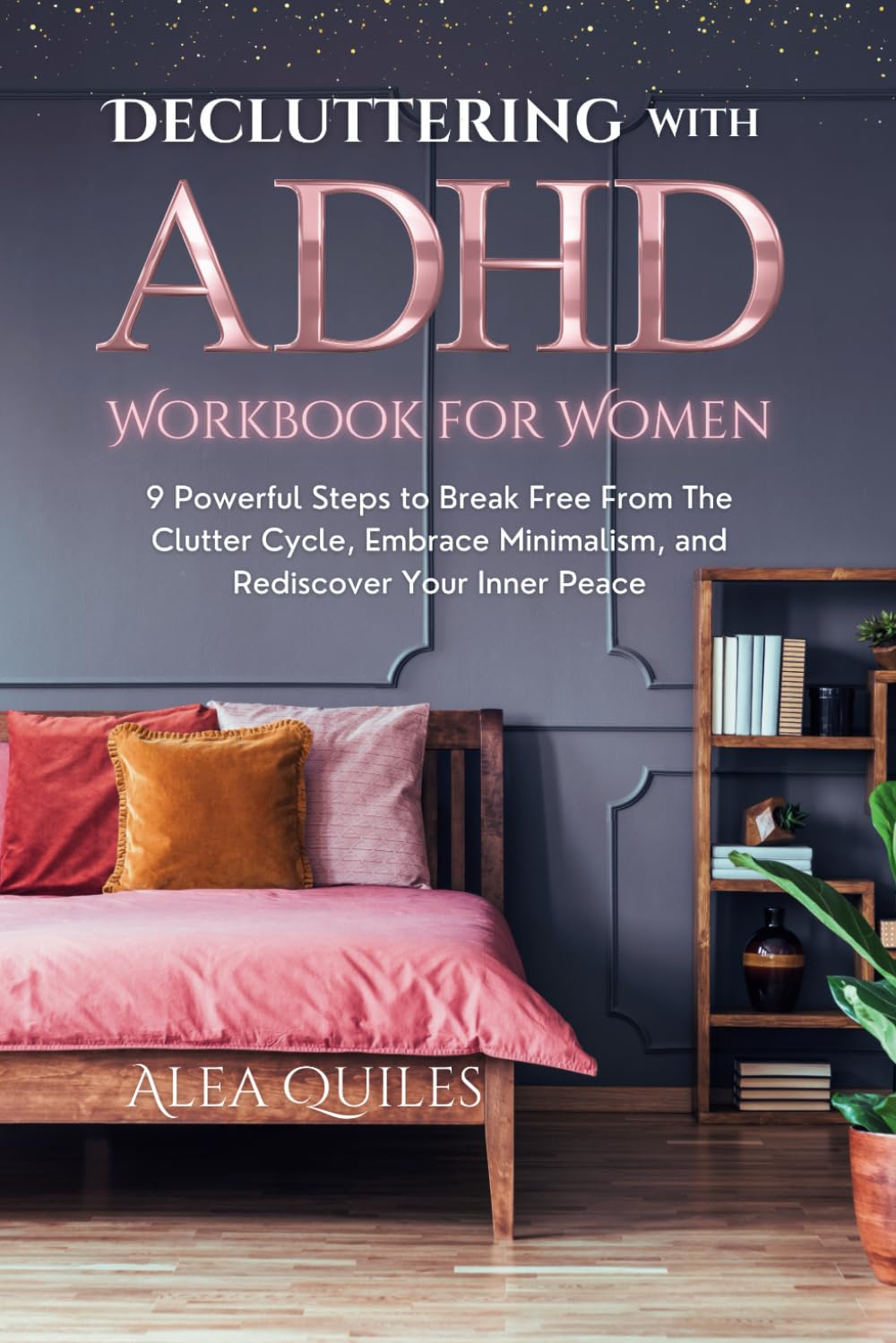
Pros
- Structured 9-step approach
- Tailored for ADHD challenges
- Focuses on breaking clutter cycle
- Encourages minimalist living
- Promotes inner peace

Pros
- Addresses multiple clutter types
- Emphasizes simple, mindful routines
- Practical and easy to follow
- Promotes sustainable organization habits
Choose the Right Approach for Your Personality
Not every decluttering method works for everyone. Some guides focus on mindful, sustainable habits that address the root cause of clutter. Others give you step-by-step checklists and a firm deadline. If you tend to procrastinate, a workbook with daily tasks may keep you accountable. If you prefer to understand the psychology behind your clutter, a more narrative book might be a better fit.
Time Commitment: 15 Minutes or Deep Dive
Your available time will shape which product works. Several planners in this lineup promise results in 15-minute daily sessions—ideal for busy households. Others are designed for weekend projects or room-by-room overhauls. Be honest about how much time you can realistically set aside. A short daily method may feel less overwhelming and build lasting habits.
Format: Workbook vs. Reading Guide
Workbooks include prompts, checklists, and space to write—they are active tools. Reading guides offer concepts and stories that inspire change. If you like to physically cross off tasks, a workbook is probably more effective. If you prefer to absorb ideas at your own pace, a narrative book may be enough.
Addressing Specific Needs: ADHD, Small Spaces, or Mental Clutter
Some books are tailored to specific challenges. For example, one workbook is written for women with ADHD, offering bite-sized steps and strategies that work with executive function struggles. Another focuses on small-space living, maximizing every square foot. If your clutter is more digital or emotional, look for a guide that explicitly covers mental decluttering. Check our best small space gadgets of 2026 for physical products that complement these books.
Structure and Accountability Features
Planners that include room-by-room checklists, cleaning schedules, and trackers make it easier to stay on course. Some even offer printable versions for repeat use. The more structured the tool, the less you have to think about what to do next—helpful when motivation is low.
Budget and Value
These guides span a range of budgets, from very affordable to moderately priced. A lower upfront cost does not mean lower quality; some of the simplest books have the most practical advice. Consider how much you are willing to invest in your clutter-free future. Many of these options cost less than a single storage bin but could save you from buying organizers you do not need. For other budget-friendly home solutions, browse our home category.
Intended Use and Longevity
A great decluttering guide should be something you can return to. Workbooks with reusable templates (checklists, schedules) have longer shelf life. Narrative books may be read once and passed on. Think about whether you need a one-time read or a reference you will revisit every season.
Why You Should Trust Us
Our recommendations are based on a careful review of each product’s stated purpose, format, target audience, and the practical feedback available from verified purchasers. We compare the available specifications, features, use cases, and documented buyer feedback to identify meaningful differences between products. We do not claim to have tested every book physically; instead, we assess which tools are best suited for specific decluttering challenges based on their content and design. Our goal is to help you choose a guide that matches your personal style and living situation.
Final Thoughts
If you are looking for an all-around practical guide that thousands of readers have found helpful, Real Life Organizing: Clean and Clutter-Free in 15 stands out with its balanced approach and proven 15-minute daily system. It works well for both newcomers and those who have tried decluttering before.
For anyone who needs a more structured, hands-on experience, especially those with ADHD or executive function challenges, Decluttering with ADHD Workbook for Women offers tailored strategies in a supportive format. And if you live in a small space and need to maximize every corner, SMALL SPACE CLUTTER FIX: The Proven 15-Minute delivers focused advice without overwhelming you. For more decluttering inspiration, see our best home gadgets of 2026.
Frequently Asked Questions
How long does it take to see results from a decluttering book?
Most guides suggest you can notice a difference within a week if you follow the daily routines. The key is consistency rather than speed.
Which book is best for a complete beginner?
Real Life Organizing is a great entry point because it breaks tasks into manageable 15-minute chunks and explains the why behind each step.
Do these books cover digital clutter as well?
Some do touch on digital organization. Clutter-Free Habits: Simple specifically addresses streamlining your digital life alongside physical and mental clutter.
Are workbooks better than regular books for decluttering?
Workbooks are more interactive and can be effective if you learn by doing. If you prefer reading and reflecting, a traditional book may work just as well.
Can these guides help with mental or emotional clutter?
Yes. Several guides include mindfulness prompts and address the emotional attachment to stuff. Clutter-Free Habits focuses heavily on mental clarity alongside physical organization.
How do I stay motivated after the initial burst of cleaning?
Planners with daily checklists, like the Ultimate Home Declutter & Organization Planner, help maintain momentum by giving you small wins each day.
Which product is best for a small apartment?
We recommend SMALL SPACE CLUTTER FIX because it is explicitly written for maximizing limited square footage without requiring a lot of time.
What if I only have a few minutes a day?
Look for guides that promise results in 15 minutes a day, such as Real Life Organizing or Home Cleaning & Decluttering Planner for Tidy. They are designed for busy schedules.
Are there any free or very low-cost options?
Some books may be available at no cost via Kindle or library. Check the current price on Amazon for the most affordable entry points.
How do I know which book matches my personality?
Read the product descriptions and look for keywords like “mindful,” “step-by-step,” or “ADHD-friendly.” Our buying guide above can help you match your needs to the right style. For more organization tips, see our bathroom organizer picks.