Affiliate Disclosure: As an Amazon Associate, we earn from qualifying purchases.
Tip: Check the latest price, product details, and current availability on Amazon or the retailer page before making a final decision.
Gardening should be enjoyable, not a backache. If you’re tired of kneeling, bending, or fighting with weeds in a ground-level plot, an elevated garden bed can make a huge difference. But with sizes ranging from compact 4-foot planters to large 8-foot models, and materials from wood to galvanized steel, picking the best elevated garden beds for your space isn’t always straightforward. This guide covers 10 elevated garden beds available now, with prices typically ranging from $71.99 – $279.99 (as of September 2026). Whether you have a small balcony or a spacious yard, we’ll help you identify the right option for your gardening needs.




When shopping for the best elevated garden beds, a few key features determine whether a planter will work well for your plants and your setup. Here are the most important factors to consider.
Size and Growing Area
Elevated garden beds come in a range of lengths and widths, from compact 4×2-foot models to larger 8×4-foot options. The size directly affects how many plants you can grow. A smaller bed (around 48 inches wide) is easier to fit on a balcony or narrow patio, while a 72-inch bed gives you room for multiple rows of vegetables or flowers. Consider your available space and what you plan to grow before deciding on dimensions.
Height and Ergonomics
The whole point of an elevated garden bed is to reduce bending. Standard heights range from 24 to 32 inches. A 30-inch height works well for most people to stand and tend plants comfortably. If you use a wheelchair or prefer a higher surface, look for beds with legs that bring the planter to 32 inches or more. Some models also include a lower shelf for storage, which adds convenience but doesn’t affect the planting height.
Material and Durability
The most common materials are wood (typically fir or cedar) and galvanized steel. Wood beds have a natural look and can last several years with proper care, but they may warp or rot over time. Galvanized steel is rust-resistant and often non-toxic, making it a low-maintenance choice. Some beds are made from heavy-duty plastic or resin-based materials, which are lightweight and weather-resistant. Choose based on how long you want the bed to last and how much maintenance you’re willing to do.
Mobility: Wheels vs. Stationary
If you plan to move your garden bed to follow the sun or rearrange your patio, a model with lockable wheels is a smart choice. Several of the products below include wheels and a storage shelf, making the planter portable and practical for renters or those who need flexibility. Stationary beds are generally more stable and can be larger, but they require a permanent spot. Think about whether you might need to relocate the bed in the future.
Weight Capacity and Soil Volume
Elevated beds hold a significant amount of soil, so the frame and legs need to support that weight. Check the listed weight capacity—some models can hold 200–300 pounds or more. The soil volume (often expressed in gallons) determines how deeply roots can grow. Deeper beds (15–18 inches) are better for root vegetables like carrots or potatoes, while shallower ones (8–12 inches) work for lettuce and herbs.
Assembly and Tools Required
Most elevated garden beds require some assembly. Some come with pre-drilled holes and simple snap-together designs, while others need a screwdriver or drill. If you’re not handy with tools, look for models that advertise easy assembly or include clear instructions. Reviews often mention assembly difficulty, so it’s wise to check feedback before buying. A complicated build can turn a weekend project into a frustration.
Additional Features: Divider Panels and Trellises
Some elevated beds include divider panels that let you separate different plant types or control soil depth. Others offer a trellis for climbing plants like tomatoes or beans. These extras add versatility but also increase the price. If you plan to grow a mix of crops, a divider can be useful. If you want to maximize vertical space, a bed with a trellis might be worth considering.
Why You Should Trust Us
Our recommendations are based on a careful comparison of product specifications, listed features, and documented customer feedback from verified buyers. We focus on practical factors like size, height, material, mobility, and ease of assembly—the details that actually matter when you’re gardening day to day. We don’t claim to have tested every product physically, but we analyze available data to highlight meaningful differences and help you make an informed purchase. For more gardening advice, check out our Garden category page for related articles.
Final Thoughts
After reviewing 10 elevated garden beds, a few models stand out for different use cases. For a large, durable planter that minimizes bending, the (available in two finish options) offers a spacious 6-foot growing area and a 30-inch height that’s comfortable for most gardeners. Its 300-pound capacity means it can handle dense soil and large plants.
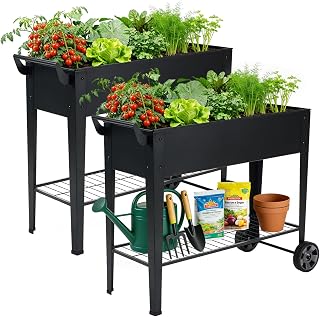
If you need portability, the with wheels and a storage shelf is a practical choice for patios or balconies. It’s heavy-duty steel, holds up to 400 pounds, and includes a lower shelf for tools or pots.
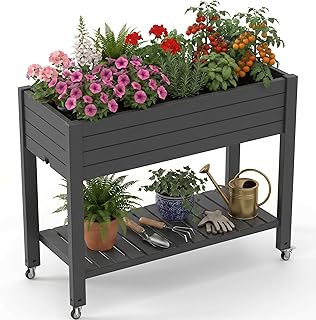
For budget-conscious gardeners, the elevated bed at under $80 offers a 21-gallon capacity with wheels and storage—a strong value for small-space growers. No matter which you choose, an elevated bed will make gardening more enjoyable and accessible.
Frequently Asked Questions
What is the best elevated garden bed size for a small balcony?
For a small balcony, a bed around 48 inches long and 24 inches wide is a good fit. It provides enough space for herbs, lettuce, and a few flowers without overwhelming the area. Look for a model with a height of at least 30 inches to maximize growing depth.
Are elevated garden beds easier on the back?
Yes, that’s the main advantage. A bed elevated to 30–32 inches allows you to garden while standing or sitting on a stool, reducing the need to bend or kneel. This makes gardening more comfortable for people with back issues or limited mobility.
Do elevated garden beds need drainage?
Yes, proper drainage is essential to prevent root rot. Most elevated beds come with drainage holes or slots in the bottom. If yours doesn’t, you can drill holes yourself or add a layer of gravel before filling with soil.
How much soil does an elevated garden bed need?
It depends on the bed’s volume. A typical 4×2-foot bed with 12-inch depth holds about 8 cubic feet of soil. Deeper beds (18 inches) require more. Always check the product’s volume capacity or calculate based on dimensions. Use a high-quality potting mix designed for raised beds.
Can I use an elevated garden bed on a deck or patio?
Absolutely. Many elevated beds are designed for hard surfaces. Wheels make it easy to move, and a waterproof liner or saucer underneath can protect the deck from water damage. Just ensure the bed is stable and won’t tip over in wind.
How long do elevated garden beds last?
Lifespan varies by material. Galvanized steel beds can last 10–15 years or more with minimal maintenance. Wooden beds, especially those made from cedar or treated pine, typically last 5–10 years if sealed and cared for. Plastic or resin beds are durable but may become brittle over time under direct sun.
Do I need to assemble an elevated garden bed myself?
Most elevated beds require some assembly. The complexity varies—some snap together without tools, others need a screwdriver or drill. Always read the product description and customer reviews for assembly feedback before purchasing.
Can I grow vegetables in an elevated garden bed?
Yes, elevated beds are excellent for vegetables like tomatoes, peppers, lettuce, carrots, and beans. The deeper the bed, the better for root vegetables. Ensure the bed receives at least 6–8 hours of sunlight daily for most edible plants.
What is the weight limit for an elevated garden bed?
Weight limits vary widely. Some small wooden beds support 200 pounds, while heavy-duty steel models can hold 300–400 pounds. Always check the manufacturer’s stated capacity, especially if you plan to use moist soil which is heavier than dry.
Are there elevated garden beds with built-in trellises?
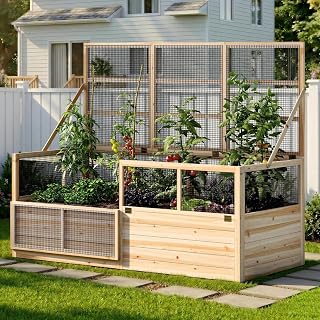
Yes, some models include a trellis or support structure for climbing plants. The is one example, featuring a trellis and fencing for vertical gardening. This can save space and help you grow cucumbers, beans, or small melons in a compact area.
Buying Guide
Before choosing a product, compare the core features, comfort level, size, controls, warranty, and current retailer information. Product details can change, so always confirm the latest specifications on the retailer page before buying.
Key Features to Compare
- Massage type, intensity levels, and heat settings.
- Product size, fit, storage, and ease of use.
- Noise level, cleaning needs, and everyday convenience.
- Return policy, warranty, and current availability.