Affiliate Disclosure: As an Amazon Associate, we earn from qualifying purchases.
Tip: Check the latest price, product details, and current availability on Amazon or the retailer page before making a final decision.
If you’ve ever lost tender seedlings to a late frost or wished you could get a few more weeks of greens in the fall, a cold frame is a straightforward solution. These portable mini‑greenhouses trap heat, block wind, and create a microclimate that lets you start seeds earlier, harden off transplants, and protect crops well past the first chill. But not all cold frames are the same — some are better for small balconies, others for raised beds, and materials range from lightweight metal frames to solid wood.
In this guide, we look at 10 cold frames available in September 2026, covering a variety of sizes, build styles, and price points. Whether you need a compact model for a patio table or a walk‑in structure for a backyard vegetable patch, the options below include honest trade‑offs to help you decide.
If you’re also organizing your gardening tools, you might find our best laptop stands guide useful for keeping your workspace tidy — but let’s focus on keeping your plants warm first.


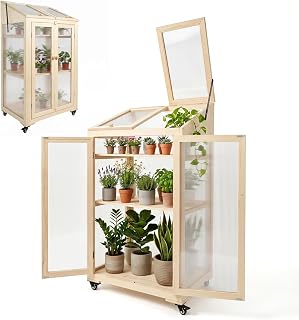


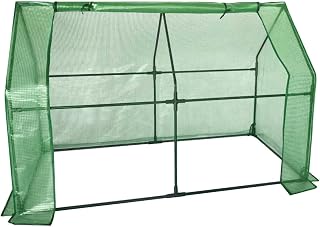
Before you pick a cold frame, think about where and how you’ll use it. The criteria below cover the factors that matter most for actual gardening — not marketing specs.
Size and Footprint
Cold frames range from small 2‑foot‑wide boxes to walk‑in structures over 6 feet long. Measure your available space — balcony, patio, or inside a raised bed — and consider how many plants you want to protect. A larger footprint holds more pots but can be harder to move and may need a level surface. Smaller models fit on a tabletop or inside a sunroom easily.
Materials and Weather Resistance
Common frame materials include wood (cedar or fir), aluminum, and powder‑coated steel. Wood looks attractive and insulates well but may need annual sealing. Metal frames are lighter and resist rot but can conduct heat less evenly. The glazing (transparent top) is often polycarbonate or clear polyethylene. Polycarbonate is impact‑resistant and diffuses light gently; PE covers are cheaper but may yellow or tear over time.
Ventilation and Temperature Control
On sunny days, an unvented cold frame can quickly overheat and cook your plants. Look for models with a flip‑top, sliding panel, or adjustable roof that can be propped open. Some designs have a single lid, others have dual independent openings for better airflow. Automatic vent arms are a plus if you’re away during the day.
Portability and Storage
If you plan to move your cold frame between gardens or store it off‑season, weight and folding ability matter. Lightweight frames with handles or wheels are easier to reposition. Collapsible designs with PE covers pack down flat. Wooden frames are heavier and better suited to a permanent spot.
Assembly and Setup Difficulty
Most cold frames require some assembly — tools and time vary. Simple box frames with few parts can be put together in 20 minutes. Larger walk‑in models may take an hour or more and require two people. Check whether hardware is included and if instructions are clear. If you’re not handy, a design with pre‑assembled panels or snap‑together joints is easier.
Intended Use: Seed Starting vs. Overwintering
A cold frame for hardening off seedlings doesn’t need to be as tall or sturdy as one used to overwinter potted herbs or protect leafy greens through frost. For seed starting, a smaller model with a clear roof and good ventilation works. For season extension, taller frames with more thermal mass (like wood) help retain heat overnight.
Budget and Value
Cold frame prices vary widely based on size, materials, and features. Simple PE‑covered frames are the most affordable, while polycarbonate walk‑ins cost more. Think about how many seasons you want it to last — a well‑built wooden or polycarbonate frame can serve for years, while a budget PE version may need replacement after two winters.
For more practical gardening gear, check out our best lint removers — not garden related, but useful for keeping clothes fresh after a muddy day. Also, see our best toiletry bags if you travel to garden shows.
Why You Should Trust Us
At Picks Worth Buying, we compare the available specifications, features, use cases, and documented buyer feedback to identify meaningful differences between products. Our recommendations are based on practical buyer considerations — not paid endorsements or manufacturer claims. We do not test products in a lab unless explicitly stated, but we carefully evaluate what matters for real‑world use.
We also prioritize transparency. When product data is incomplete, we note that and avoid guessing. Every product in this guide is selected for its potential to solve a specific gardening need, not for affiliate commission alone.
Final Thoughts
Among the 10 options, three stand out for different reasons. The Roll-Up Zipper Door & 75% Clear PE Cover Indoor is a versatile choice for seed starting with its zippered access and adjustable ventilation. The Polycarbonate Walk in Greenhouse with 4 Roof offers a roomy interior and solid polycarbonate panels for serious season extension. And the VegTrug Cold Frame for Classic Small 1m Raised mates directly with popular raised beds, making it a practical add‑on for existing garden setups.
Your ideal cold frame depends on your space, climate, and what you want to grow. Start by measuring your area and prioritizing ventilation — the rest falls into place. If you’re still unsure, focusing on a medium‑sized polycarbonate model with a flip‑top is a safe bet for most gardeners.
Need more travel gear for garden tours? See our best travel adapters guide.
Frequently Asked Questions
What is the best cold frame for a beginner?
A simple wooden or metal frame with a clear polycarbonate lid and basic ventilation is a good start. Look for one that fits your space and doesn’t require complicated assembly.
Can I use a cold frame indoors?
Yes, many cold frames work on a sunroom floor or bright balcony. Make sure it has a waterproof base if used indoors, and provide ventilation to prevent mold.
How long do cold frames last?
Polycarbonate and wood frames can last 3–5 years or more with proper care. PE‑covered frames typically last 1–2 seasons before the cover needs replacement.
Do cold frames need to be placed in full sun?
Most cold frames work best with at least 6 hours of direct sunlight. Too much shade reduces warmth, but some shade can prevent overheating in very hot climates.
Can I automate the ventilation on a cold frame?
Yes, automatic vent openers (often wax‑piston types) can be added to many models. They open the lid when temperatures rise and close it when it cools, providing hands‑free temperature control.
Are cold frames safe for pets or children?
The transparent lid can get hot in direct sun, and some frames have sharp edges. Place them out of reach or secure the lid to prevent tipping. Polycarbonate is less likely to shatter than glass.
Can I grow vegetables year‑round in a cold frame?
In mild climates, cold frames extend the season by 4–6 weeks on each end. For year‑round growing in cold climates, you may need additional insulation or a heated greenhouse.
How do I clean and store a cold frame?
Wipe down polycarbonate with mild soap and water. Store PE covers indoors during winter to prolong their life. Wood frames should be treated annually with a weatherproof sealant.
What’s the difference between a cold frame and a mini greenhouse?
A cold frame is typically low (under 2 feet) and uses passive solar heating. A mini greenhouse is taller and may have shelving and a door. Both protect plants, but cold frames are more compact and portable.
Should I use a cold frame or a row cover for frost protection?
Row covers are lightweight fabric that provides light frost protection and pest control. Cold frames offer more insulation and shelter from wind and rain. Use cold frames for tender seedlings and hard frosts; row covers for light frost and insect barriers.
For more garden tool recommendations, see our best power strips guide — handy for outdoor lighting setups.
Buying Guide
Before choosing a product, compare the core features, comfort level, size, controls, warranty, and current retailer information. Product details can change, so always confirm the latest specifications on the retailer page before buying.
Key Features to Compare
- Massage type, intensity levels, and heat settings.
- Product size, fit, storage, and ease of use.
- Noise level, cleaning needs, and everyday convenience.
- Return policy, warranty, and current availability.