Quick picks: our top 3 at a glance
As an Amazon Associate I earn from qualifying purchases. Prices and availability change.

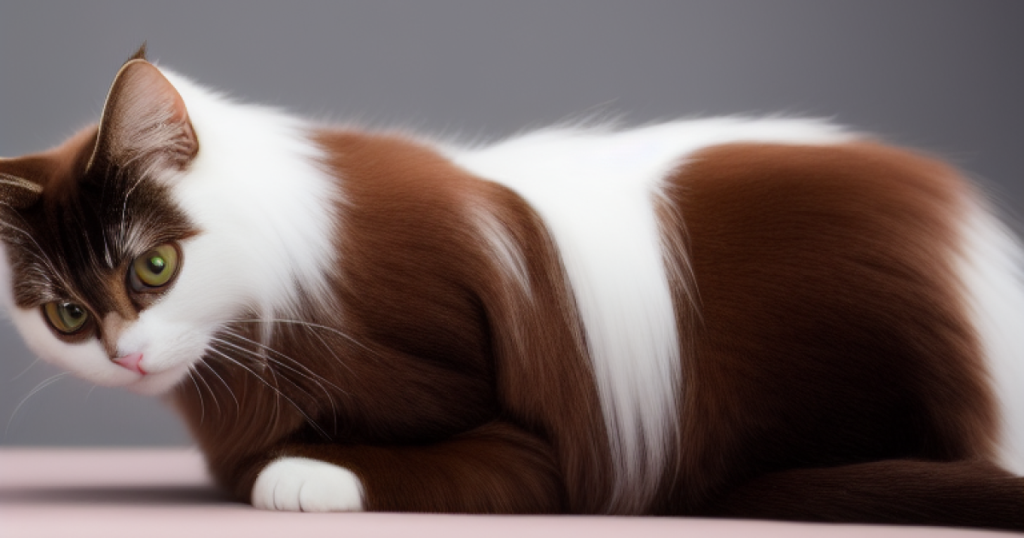
If you share your home with a cat, you know the drill: fur on the couch, fur on your clothes, and the occasional mat that seems to appear overnight. Regular brushing helps reduce shedding, prevents painful tangles, and can even strengthen your bond with your pet. But with so many brushes on the market, it’s easy to feel overwhelmed.
This guide breaks down 10 of the most practical cat grooming brushes available in November 2026. We focus on what actually matters: your cat’s coat type, the brush’s ease of use, and how easy it is to clean. Whether you have a short-haired kitten or a long-haired senior, there’s a brush here that fits your situation.
At a Glance
| Product | Brand | Rating | Key feature | Where to buy |
|---|---|---|---|---|
| Aumuca Cat Brush for Shedding, Cat Brushes for Indoor Cats, Cat Bru… | aumuca | 4.4 / 5 | 【Professional Cat Hair Brush】Perfect gift for pet owners, vets, and pet groome… | View on Amazon |
| Swihauk Self Cleaning Slicker Brush – Skin Friendly Deshedding Groo… | swihauk | 4.6 / 5 | – | View on Amazon |
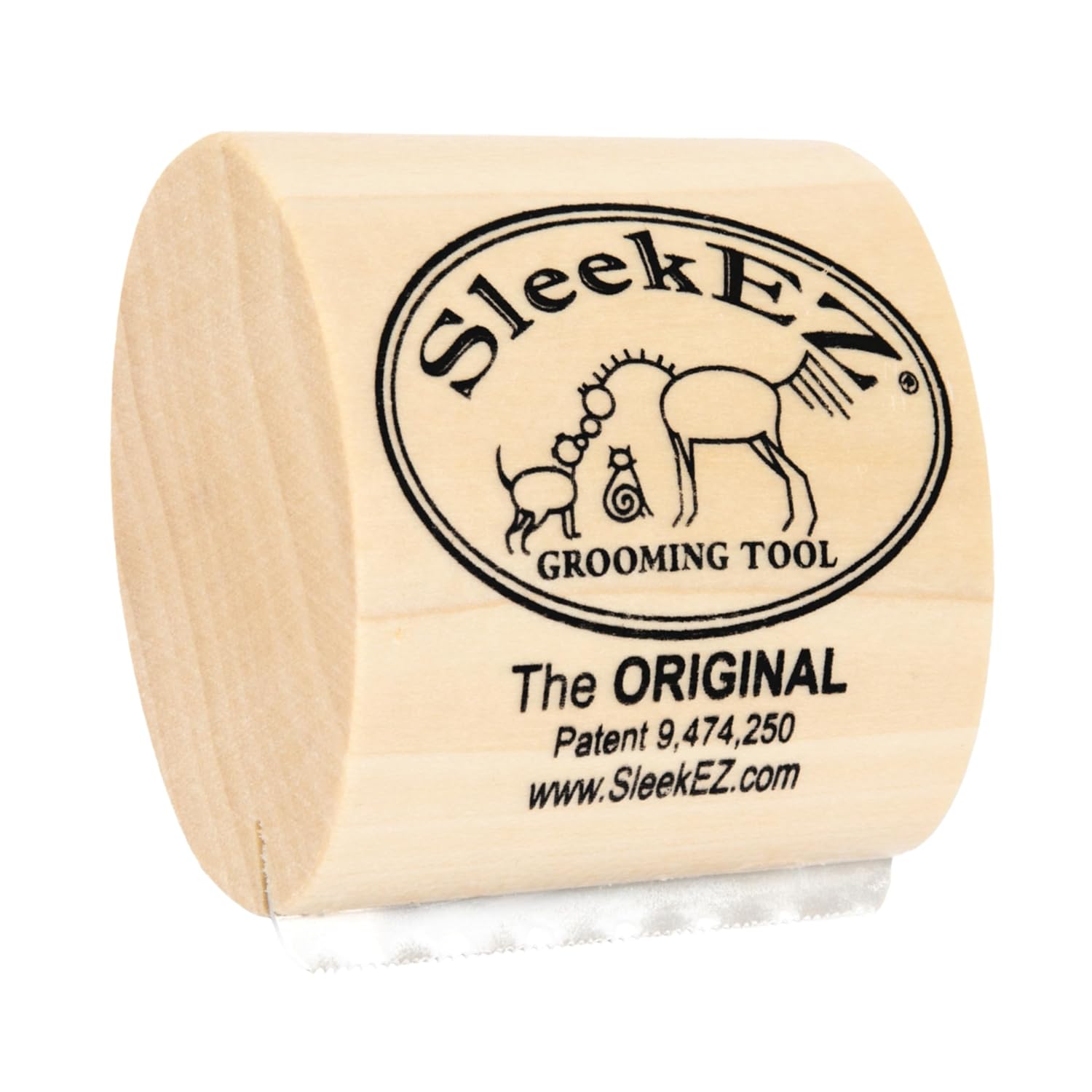
| SleekEZ Cat Brush for Shedding – Deshedding Brush for Cats – Patent… | SleekEZ | 4.5 / 5 | – | View on Amazon |
| Cat Brush for Shedding, Self Cleaning Brush for Long & Short Hair Cats | YiEFUR | 4.6 / 5 | Cat brushes for long haired cats and short haired cats | View on Amazon |
| Docrok Pet Grooming Combo – Blue Deshedding Brush with Metal Comb f… | DOCROK | 4.5 / 5 | 【Easy Dematting and Deshedding Tools】: Our Grooming brush and comb combo help… | View on Amazon |
Ratings come from the Amazon listings when we last checked and can change.
Pros
- Gentle on sensitive skin
- Easy one-click hair removal
- Reaches deep undercoat
- Suitable for multiple pet types
- Sturdy, thick stainless steel pins
Cons
- Plastic handle may feel less premium
- Not ideal for very matted fur
Pros
- Self-cleaning bristle retraction
- Skin-friendly rounded tips
- Reduces loose fur shedding
- Suitable for dogs and cats
- Lightweight and easy to hold
Pros
- Helps reduce shedding by removing loose fur
- Suitable for short, medium, and long coats
- Lightweight and easy to handle
- Compact size stores conveniently
- Made in the USA

Pros
- Gentle on cat's skin
- Easy one-button fur removal
- Comfortable non-slip handle
- Works on all coat lengths
- Durable and safe materials

Pros
- Effectively reduces shedding
- Gentle on pet's skin
- Removes mats without pulling
- Durable stainless steel teeth
- Comfortable, lightweight handle
Cons
- Not designed for short-haired pets

Pros
- Self-cleaning brush for easy cleanup
- Double-sided dematting comb
- Skin-friendly for sensitive pets
- Works for dogs, cats, and horses
- Includes rake and flea comb

Pros
- Self-cleaning for easy cleanup
- Effective on long and short hair
- Skin-friendly for pet comfort
- Works for dogs and cats

Pros
- Gentle on pets' skin
- Removes undercoat without topcoat damage
- Comfortable ergonomic handle
- Effective for heavy shedders
- Suitable for dogs and cats
Cons
- Accumulated hair can be hard to remove
- Some pets may be wary of the tool

Pros
- Self-cleaning button saves cleanup time
- Gentle rubber tips protect pet skin
- Nonslip handle comfortable for extended use
- Includes both brush and fine-tooth comb
- Suitable for multiple pet types and coat lengths
Cons
- May not handle heavy matting on very thick coats
- Some users report bristles bend over time

Pros
- Gentle on pet's skin
- Versatile for wet or dry use
- Adjustable and comfortable fit
- Machine washable for easy maintenance
- Effective at reducing loose hair
Cons
- Only available for right hand
- May not suit pets with very thick or heavy mats
Choosing the right cat grooming brush isn’t just about grabbing the first one you see. Different coats and cat personalities respond better to different tools. Here are the key factors to consider before you buy.
Coat Type and Length
Your cat’s fur is the single most important factor. Short-haired cats typically need a brush that removes loose undercoat without irritating the skin. Long-haired cats require tools that can penetrate deeper to prevent mats and tangles.
Slicker brushes with fine, bent wires work well for both, but you may need a comb or rake for thicker coats. For example, the best lint removers can help with fur on clothes, but for your cat, a dedicated brush is essential.
Bristle Type and Safety
Look for brushes with rounded or rubber-tipped pins. These are gentler on your cat’s skin and reduce the risk of scratches, especially if your cat is sensitive or has thin skin. Stainless steel pins are durable and glide through fur, but the tips matter most for comfort.
Some brushes, like the best lint removers for clothes, use adhesive surfaces, but for cats, you want a brush that removes loose hair without pulling or snagging.
Self-Cleaning Mechanism
One of the biggest annoyances with pet brushes is removing the collected fur from the bristles. A self-cleaning button saves time and keeps your hands clean. Simply press the button, and the fur pops off the brush for easy disposal.
This feature is especially useful for cats that shed heavily, as you’ll be cleaning the brush frequently during a single grooming session.
Handle Comfort and Grip
Grooming a cat can take several minutes, especially if your cat is patient or has a thick coat. A comfortable, non-slip handle reduces hand fatigue and gives you better control. Look for ergonomic designs with rubber or silicone grips.
If you have arthritis or limited hand strength, a lightweight brush with a thick handle may be easier to hold.
Versatility
Some brushes come with multiple attachments or serve dual purposes, like a brush and comb combo. These can be great if you have multiple cats with different coat types, or if you want one tool for both brushing and detangling.
However, a specialized brush often does its primary job better than a multi-tool. Consider whether you need a single-purpose brush or a versatile kit.
Durability and Materials
Cat brushes should withstand regular use and occasional drops. Stainless steel pins and sturdy ABS plastic handles are common in quality brushes. Avoid brushes with flimsy plastic that may break or bend easily.
Check if the brush is easy to clean and store. Some come with a loop for hanging, which can be handy.
Your Cat’s Temperament
Some cats love being brushed; others tolerate it. If your cat is skittish or dislikes grooming, start with a softer brush or a grooming glove that feels like petting. A glove can be a gentle introduction to grooming, and many cats enjoy the massage-like sensation.
For cats that are prone to mats, a detangling comb or rake may be necessary, but introduce it slowly to avoid stress.
Why You Should Trust Us
We compare the available specifications, features, use cases, and documented buyer feedback to identify meaningful differences between products. Our goal is to help you make an informed decision based on what actually matters for your cat, not just what looks good on a shelf.
We do not claim to have tested these products ourselves. Instead, we rely on the information provided by manufacturers and the experiences shared by other pet owners to highlight practical strengths and potential drawbacks.
Final Thoughts
For most cat owners, a self-cleaning slicker brush offers the best balance of effectiveness and convenience. The Swihauk Self Cleaning Slicker Brush stands out with its high rating and large number of reviews, suggesting it works well for many cats. If you’re on a budget, the Cat Brushes for Indoor Cats is a solid, affordable choice that still includes a self-cleaning button and rubber-tipped pins.
For cats that hate traditional brushes, the Pet Hair Removal Glove with 255 Silicone Tips turns grooming into a cuddle session. It’s gentle, easy to use, and machine washable, making it a great option for anxious or sensitive cats.
Ultimately, the best brush is the one your cat tolerates and you’ll use regularly. Consider your cat’s coat and personality, and you’ll find a match that keeps both of you happy.
Frequently Asked Questions
How often should I brush my cat?
Most cats benefit from brushing 2 to 3 times a week. Long-haired cats may need daily brushing to prevent mats, while short-haired cats can go a bit longer between sessions.
What type of brush is best for a short-haired cat?
A slicker brush with fine, short bristles works well for short coats. It removes loose fur and dander without irritating the skin. A grooming glove can also be effective and is often more acceptable to cats.
How do I remove fur from a self-cleaning brush?
Most self-cleaning brushes have a button that pushes the bristles back, releasing the trapped fur. Simply press the button, and the fur clump pops off for easy disposal.
Can I use a cat brush on a dog?
Many cat brushes are also suitable for small dogs or puppies, especially if they have similar coat types. However, check the brush’s specifications to ensure it’s appropriate for your dog’s size and fur.
What’s the difference between a slicker brush and a rake?
A slicker brush has fine, closely spaced wires that remove loose fur and tangles. A rake has wider-spaced teeth that penetrate deeper, making it better for thick undercoats and removing mats. Choose based on your cat’s coat density.
Are grooming gloves effective?
Yes, grooming gloves are effective for removing loose fur and providing a massage. They are especially good for cats that are afraid of traditional brushes. The silicone tips catch hair as you pet your cat.
How do I clean a cat grooming brush?
For self-cleaning brushes, use the release button to remove fur, then rinse the bristles under warm water. For other brushes, use a comb to lift out hair and wipe the bristles with a damp cloth. Always dry the brush thoroughly before storing.
What should I do if my cat hates being brushed?
Start slowly, offering treats and praise. Use a soft brush or glove and keep sessions short. Gradually increase the time as your cat becomes more comfortable. If your cat shows signs of stress, stop and try again later.
Can brushing reduce hairballs?
Yes, regular brushing removes loose fur before your cat ingests it, which can significantly reduce hairballs. This is especially important for long-haired cats.
Is it safe to use a dematting comb on my cat?
Dematting combs have sharp blades that can cut through mats, but they must be used with extreme care to avoid cutting your cat’s skin. If your cat has severe mats, consider consulting a professional groomer.
Popular buying guides
Get Black Friday deal alerts
We will email you when prices drop on products we recommend, plus a short checklist for spotting real deals. No spam. Unsubscribe any time.