
Disclosure: As an Amazon Associate I earn from qualifying purchases. This article may contain affiliate links, and we may earn a commission at no extra cost to you.
Opening a can should be the easiest part of dinner prep, but too many openers fail when you need them most. Whether you struggle with arthritis, cook for a crowd, or just want a tool that won’t leave metal shavings in your soup, the right can opener makes a real difference. With so many manual, electric, and side-cutting models available, it’s easy to end up with one that’s awkward, messy, or simply unreliable.
This guide for September 2026 compares 10 can openers across the most important buying factors: cutting mechanism, ease of use, handle comfort, and durability. We focus on practical differences that matter for everyday cooking, not just specs on a box. Whether you need a budget-friendly manual for camping or a hands-free electric for arthritic hands, this guide will help you choose with confidence.


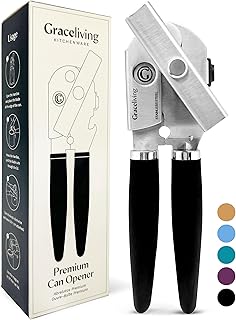


Not all can openers are created equal. The right one for you depends on how you cook, your hand strength, and your kitchen setup. Here are the key factors to consider before you buy.
Manual vs. Electric: Which Type Fits Your Routine?
The most fundamental decision is whether to go manual or electric. Manual openers are compact, portable, and never need batteries or an outlet. They give you more control and are often more affordable, but they require hand strength and a steady grip. If you have arthritis or limited dexterity, an electric model can be a lifesaver, as it does the cutting for you with minimal effort.
Electric openers are typically faster and easier for high-volume cooking, but they take up counter space and need to be stored when not in use. Some are cordless and rechargeable, while others plug in. Consider how often you open cans and whether you have the counter space to leave an appliance out. For most home cooks, a reliable manual opener is sufficient, but if convenience is your top priority, an electric model is worth the investment.
Cutting Mechanism: Smooth Edge vs. Sharp Edge
Traditional can openers use a sharp cutting wheel that pierces the lid and cuts through the metal, leaving a sharp edge on the lid and sometimes the can. Side-cutting openers, on the other hand, cut along the side of the can, leaving a smooth edge with no sharp metal exposed. This is safer for households with kids or pets and makes it easier to remove the lid completely for recipes that call for the entire can of ingredients.
Side-cutting models also tend to be more hygienic because the cutting blade doesn’t touch the food inside the can. However, they can be more expensive and may require more effort to operate, especially if the handle isn’t ergonomic. If you often cook with canned tomatoes or beans, a smooth-edge opener can be a worthwhile upgrade.
Handle Comfort and Ease of Turning
If you’re buying a manual opener, the handle design and turning knob are crucial. Look for oversized, easy-to-turn knobs that provide good leverage, especially if you have arthritis or weaker grip strength. Soft-touch, ergonomic handles reduce hand fatigue during extended use. Some models feature a bottle opener on the handle, adding extra utility without taking up more drawer space.
For electric openers, consider the placement and design of the activation lever or button. Some models have a simple one-touch operation that automatically starts and stops the cutting process. Others require you to hold down a lever, which can be tiring for some users. If ease of use is your priority, look for a model with a large, accessible button or lever.
Magnetic Lid Lifter and Cleanliness
A magnetic lid lifter is a small but significant feature. It holds the lid after cutting, preventing it from falling into the can or onto your counter. This keeps your workspace cleaner and makes it easier to dispose of the lid. Some models also have a magnetic lid holder that keeps the lid attached to the opener until you’re ready to remove it.
Cleanliness is another factor. Manual openers can be difficult to clean, especially if food gets trapped in the cutting mechanism. Look for models with removable parts that are dishwasher safe, or at least easy to wipe down. Electric openers with detachable cutting heads are easier to clean and maintain, which is important for food safety.
Durability and Build Quality
The materials used in a can opener determine how long it will last. Stainless steel cutting blades resist rust and stay sharp longer than cheaper metals. The body should be sturdy and well-constructed, with no flimsy plastic parts that are likely to break. While you don’t need to spend a fortune, a very cheap opener may wear out quickly or fail to cut cleanly.
Consider how often you use a can opener. If you cook from scratch daily, investing in a higher-quality model is worth it. If you only open a can occasionally, a budget-friendly option may be perfectly adequate. Look for models with a solid feel and a warranty, which indicates the manufacturer’s confidence in their product.
Safety Features for Seniors and Those with Arthritis
For seniors or anyone with arthritis, a can opener should minimize strain and risk of injury. Electric openers with one-touch operation and a magnetic lid holder are ideal because they require minimal hand strength. Some models are specifically designed for seniors, with large buttons, non-slip bases, and a hands-free cutting action.
Manual openers with ergonomic handles and oversized knobs can also be suitable, but they still require some grip strength. If you have limited mobility, look for a model that can be operated with one hand or that has a non-slip base to keep it stable. Always choose a model with smooth edges to avoid accidental cuts.
Portability and Storage
If you camp, travel, or have a small kitchen, portability matters. Manual can openers are lightweight and take up minimal drawer space, making them easy to pack. Some even come with a keychain ring or a compact design that fits in a backpack. Electric openers are bulkier and require counter space, but some models can be wall-mounted to save room.
Consider where you’ll store your can opener. If you have limited counter space, a manual model that fits in a drawer is more practical. If you prefer the convenience of an electric opener, look for one with a cord storage compartment or a wall-mount option. For RV or dorm life, a compact manual opener is often the most sensible choice.
For more practical cooking gear and kitchen tool guides, visit our Cooking Tools section.
Why You Should Trust Us
We compare the available specifications, features, use cases, and documented buyer feedback to identify meaningful differences between products. Our recommendations are based on the information provided by the manufacturers and the experiences shared by other shoppers, not on our own physical testing. We focus on practical factors like ease of use, durability, and safety to help you make an informed decision.
We understand that every kitchen is different, and the best can opener for you depends on your specific needs and preferences. That’s why we highlight the strengths and potential drawbacks of each type, so you can choose the one that fits your cooking style and physical abilities. We aim to be transparent about the limitations of our recommendations and encourage you to consider your own priorities.
Final Thoughts
For most home cooks, the KitchenAid Classic Multifunction Can Opener offers a reliable balance of performance and value. Its razor-sharp cutting wheel and soft ergonomic handles make it easy to use, and the built-in bottle opener adds convenience. With a large number of positive reviews, it’s a safe bet for everyday use.
If you’re looking for a more affordable manual option, the Manual Handheld Design with Ergonomic Handle is a solid choice. It’s compact, easy to store, and designed with safety in mind, making it a good pick for small kitchens or occasional use. For those who need extra assistance, the Automatic Can Opener for Seniors with Arthritis offers hands-free operation and a smooth edge, reducing strain on your hands.
Frequently Asked Questions
What is the difference between a manual and an electric can opener?
Manual can openers require you to turn a knob or squeeze handles to cut around the lid. They are compact, portable, and don’t need power. Electric can openers do the cutting automatically with the push of a button, which is easier on your hands and faster for large batches. The choice depends on your hand strength and how often you open cans.
Are side-cutting can openers better?
Side-cutting can openers cut along the side of the can, leaving a smooth edge with no sharp metal. This is safer and more hygienic because the blade doesn’t touch the food. However, they can be more expensive and may require more effort to operate. If safety is a priority, a side-cutting model is worth considering.
Can I use a can opener on cans with pull-tab lids?
Yes, most can openers can handle pull-tab cans, but you may not need to use the opener at all. If you prefer to use your can opener, it will work fine on the lid. Some electric models have a special setting for pop-top cans, but it’s not necessary. Just be careful not to cut yourself on the tab.
How do I clean a can opener?
Manual can openers should be wiped clean after each use to remove food residue. Some models have removable cutting wheels that can be washed in the dishwasher. Electric openers with detachable cutting heads are easier to clean. Always check the manufacturer’s instructions for specific cleaning recommendations.
What should I do if my can opener leaves metal shavings in the food?
Metal shavings are a sign that the cutting blade is dull or the opener is not aligned properly. Try a new can opener or replace the blade if possible. To avoid this, always use a sharp blade and apply even pressure. If you notice shavings, inspect the food before consuming it.
Are electric can openers designed with older users in mind?
Yes, electric can openers are often recommended for seniors because they require minimal hand strength. Look for models with one-touch operation, a magnetic lid holder, and a non-slip base. These features reduce the risk of accidents and make opening cans easier for those with arthritis or limited dexterity.
Can I open cans with a manual can opener if I have arthritis?
It depends on the severity of your arthritis. Some manual openers have oversized knobs and ergonomic handles that provide better leverage, making them easier to use. However, if you experience significant pain or weakness, an electric can opener is a more comfortable and practical option. Consider your specific needs when choosing.
How long does a can opener last?
The lifespan of a can opener depends on the quality of materials and how often you use it. A well-made stainless steel manual opener can last for years, while cheaper models may dull or break sooner. Electric openers also vary, but with proper care, they can last several years. Regular cleaning and avoiding rust will extend its life.
Is it worth buying a more expensive can opener?
More expensive can openers often have better build quality, sharper blades, and additional features like magnetic lid holders or side-cutting mechanisms. If you use a can opener daily, investing in a higher-quality model can save you money in the long run. For occasional use, a budget-friendly option may be sufficient.
Can I use a can opener on cans with a lip?
Yes, most can openers are designed to work with standard cans that have a lip. However, some models may struggle with cans that have a very wide or narrow lip. If you frequently use cans with unusual shapes, look for a can opener that is adjustable or specifically designed for such cans.
This guide is for shopping research only and is not medical, health, or safety advice. Product details, availability, and prices can change; confirm current information with the manufacturer or retailer. If you are buying a mobility, wellness, or health-related product for a medical condition, recent surgery, fall risk, pain, neuropathy, circulation issues, or a care plan, consult a qualified healthcare professional before use.