Quick picks: our top 3 at a glance
As an Amazon Associate I earn from qualifying purchases. Prices and availability change.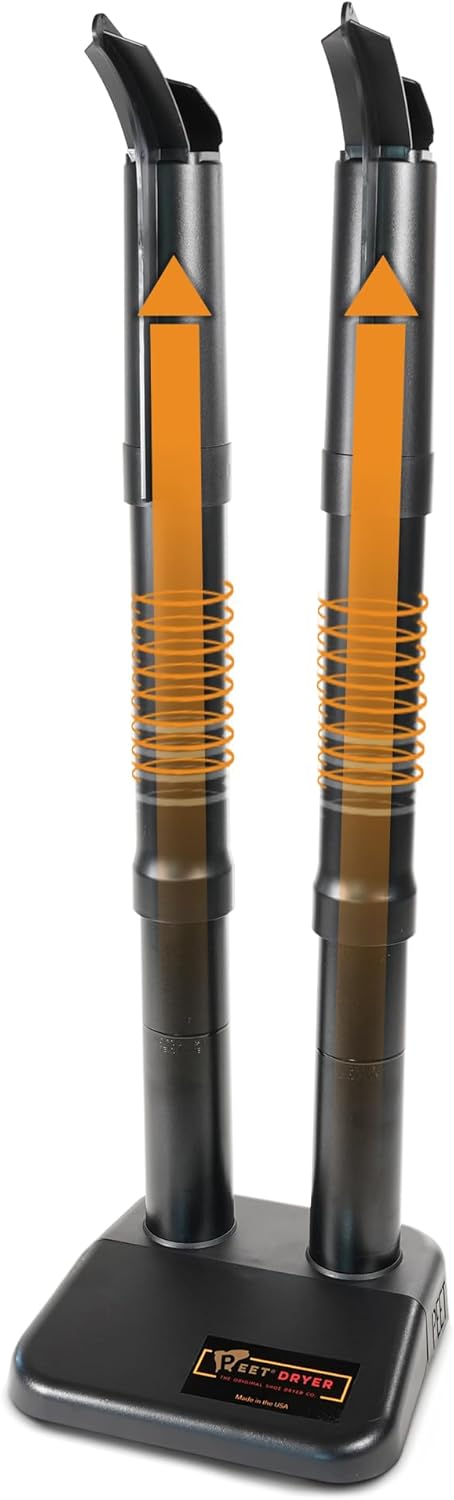


If you live in a wet climate, work outdoors, or spend weekends hiking, skiing, or hunting, you know the struggle of soggy boots in the morning. A boot dryer is one of those small appliances that quickly becomes indispensable. The problem is that not all dryers work the same way: some rely on gentle heat, others use forced air, and a few combine both. Figuring out which type suits your boots and schedule can be confusing. In this guide for November 2026, we break down the differences among 8 of the most practical options so you can pick the one that fits your routine.
At a Glance
| Product | Brand | Rating | Key feature | Where to buy |
|---|---|---|---|---|
| PEET, Original Dryer, Electric Shoe Dryer, Work Boots, Outdoor Gear… | PEETShoeDryerInc | 4.7 / 5 | BUILT TALL – NO EXTENSIONS REQUIRED: The Original XL Tall features extended integr… | View on Amazon |
| DryGuy Shoe, Boot, Garment & Gear Electric Dryer, Quick Drying for… | DryGuy | – | SAFE & EFFECTIVE DRYING – Safe to use on nearly any type of material, the DryGuy… | View on Amazon |
| JobSite Boot Dryer – Silent Warmer & Deodorizer For Work Boots, Glo… | JobSite | 4.5 / 5 | this uses AUI list/listitem elements in desktop | View on Amazon |
| PEET Advantage Plus 2-Pair Electric Boot & Shoe Dryer with Fan & Heat | PEETShoeDryerInc | 4.3 / 5 | WARM AND FAST DRYING WITH FAN AND HEAT: ETL-approved fan powers air through AirCha… | View on Amazon |
| Upgraded Boot Dryer for Work Boots with Ozone Deodorizer – Fast Dry… | EverlastingComfort | 4.3 / 5 | FAST DRYING FOR ALL FOOTWEAR: Upgraded model dries two pairs of work boots, shoes,… | View on Amazon |
Ratings come from the Amazon listings when we last checked and can change.
Pros
- Silent operation with no noisy fan
- Dries tall boots without extra parts
- Energy-efficient, uses under 36W
- Safe for all common boot materials
- Compatible with glove and helmet attachments
Cons
- Dries only one pair of boots per cycle
- 120V US plug; not for international use
Pros
- Quiet forced-air operation
- Safe for most materials
- Dries two pairs at once
- Customizable heat settings
- Compact and easy to store
Pros
- Silent fanless operation for overnight drying
- Dries boots, gloves, shoes, and more
- Helps prevent odor by drying thoroughly
- Energy-efficient 36-watt convection heat
- Two-year warranty against defects
Cons
- Wet boots can take up to 12 hours
- Only dries items that fit on the posts


Pros
- Dries two pairs at once
- Ozone switch reduces odors
- Adjustable timer up to 180 min
- Safe for various materials
- Compact and rugged build

Pros
- Dries boots in about 1-2 hours
- Adjustable ports reach toe boxes
- Auto shut-off timer for safety
- Compact and easy to store
- Works with many footwear types
Cons
- Arms may not stay in place with heavy boots
- Fan noise may be noticeable
- Ports require firm pull to extend

Pros
- Fast drying in 40-90 minutes
- Reduces odors with negative ions
- Quiet operation under 45 dB
- Adjustable tubes for various boot heights
- Timer with auto-shutoff for safety

Pros
- Dries two pairs at once
- Quiet fan won't disturb
- Compact and stable design
- Optional scent pods reduce odors
- Auto shutoff gives peace of mind
Heating Method: Forced Air vs. Convection vs. Silent Warmers
The most important difference among boot dryers is how they generate heat. Forced air models use a small fan to blow warm air into the boot, which speeds drying significantly. Convection dryers rely on natural heat rising with no fan, making them quieter but slower. Silent warmers (like the JobSite model) use low wattage and no fan, which is ideal for overnight use or noise-sensitive environments but takes longer. If you need boots dry in a few hours, choose forced air. If you can set them overnight and prefer silence, a convection or silent warmer works fine.
Number of Pairs: Two-Pair vs. Four-Pair Models
Consider how many boots you need to dry at once. Most boot dryers accommodate two pairs of boots. Four-pair models, like the DRYGUY Shoe, Boot, Garment & Gear Electric Dryer, let you dry additional gloves, hats, or shoes simultaneously. If you have a family of outdoor enthusiasts or rotate between work boots and hiking boots, a larger capacity unit saves time. For individual use, a two-pair dryer is usually sufficient and takes up less space.
Drying Time: What to Expect
Drying time depends on the boot material, the dryer design, and how wet the boots are. Forced air dryers typically dry a pair of soaked boots in 2 to 4 hours. Convection models may take 4 to 8 hours. Silent warmers can take 6 to 12 hours. If you need boots ready for the morning after an evening soak, forced air is your best bet. If you can plan ahead, slower dryers are more energy efficient and gentler on delicate materials.
Noise Level: Forced Air vs. Silent Operation
Forced air dryers produce a gentle fan hum, similar to a small fan. This is fine in a garage, mudroom, or basement. If you plan to run the dryer in a bedroom or near a workspace, a silent model (fanless) like the JobSite Boot Dryer is better. The trade-off is longer drying times. Some models, like the PEET Original, are advertised as silent and energy-efficient. Check product details for decibel claims if noise is a concern.
Adjustable Tubes and Fit
Boot dryers use rigid or flexible tubes that insert into the boot. Some tubes are fixed in position, others are adjustable to angle toward the toe or heel. Adjustable tubes are helpful for tall boots or oddly shaped footwear. If you only dry standard work boots, fixed tubes work fine. For kids’ boots or wide hunting boots, look for models with flexible or extendable arms.
Odor Control: Ozone and Deodorizer Features
Wet boots breed odor-causing bacteria. Some modern boot dryers include an ozone generator or deodorizer to kill bacteria and freshen footwear. The Upgraded Boot Dryer for Work Boots and POPCHOSE model both include ozone deodorizers. These are useful if you deal with sweaty boots regularly. Ozone can be slightly smelly, so it’s best to run these dryers in a well-ventilated area.
Build Quality and Energy Efficiency
A boot dryer that runs frequently should be durable and efficient. Look for models with metal or high-impact plastic bodies, sturdy cords, and reliable switches. Energy consumption varies from about 20 watts for silent warmers to 50 watts for forced air models. The PEET Original claims to be energy efficient and is made in the USA, which may appeal to long-term buyers. Consider the warranty and replacement parts availability if you plan to use the dryer daily.
Why You Should Trust Us
Our recommendations are based on a thorough comparison of product specifications, listed features, and documented customer feedback. For each boot dryer, we evaluate the heating method, capacity, drying time, noise level, and additional features like ozone deodorizers. We do not claim to have physically tested every unit, but we analyze available data to highlight which designs are best suited for different use cases: overnight drying, quick turnaround, quiet operation, or odor prevention. We also consider the reputation of established brands like PEET and DRYGUY, which have been in the market for years.
Final Thoughts
After comparing the 8 boot dryers, the DRYGUY Two-Pair Boot Dryer with Convection stands out as a solid all-around choice. It uses a combination of convection and forced air, dries two pairs, and has a compact design with odor control. Its price is reasonable, and it has good customer feedback.
If you prefer a quiet, fanless design that runs overnight without disturbing your sleep, the JobSite Boot Dryer – Silent Warmer & Deodorizer is worth considering. It uses low wattage and is completely silent, though it takes longer to dry.
For those who need to dry multiple pairs quickly and also want to deodorize, the Upgraded Boot Dryer for Work Boots with Ozone offers forced air plus an ozone generator. It is a good fit for households with multiple sports enthusiasts or heavy-duty work.
Related Guides
- Best Shelf Dividers
- Best Shoe Bags for Travel
- Best Stocking Stuffers for Travelers
- More in Winter Essentials
Frequently Asked Questions
Can I use a boot dryer on all types of boots?
Most boot dryers work with leather, synthetic, rubber, and fabric boots. However, very delicate materials like unlined leather or thin canvas may be damaged by excessive heat. Check the manufacturer’s temperature recommendations. For most work and outdoor boots, any dryer is safe.
How long does a boot dryer take to dry a pair of boots?
Drying time varies from 1 to 3 hours for forced air models to 6 to 12 hours for silent warmers. Convection models fall in the middle. Heavily soaked boots may require an extra cycle.
Are boot dryers safe to leave on overnight?
Yes, most boot dryers are designed for unattended use. They use low wattage and have built-in thermal protection. Silent warmers are particularly suited for overnight use because they produce no noise. Always follow the manufacturer’s safety guidelines.
Do boot dryers help with odor?
Drying boots thoroughly reduces moisture that causes bacteria and odor. Some models include ozone deodorizers to actively kill bacteria. For persistent odor, look for a dryer with an ozone feature.
Can I dry gloves or other gear in a boot dryer?
Some boot dryers come with additional attachments or have multiple ports for drying gloves, hats, or shoes. Check the product description for included accessories. Many two-pair models can also dry gloves on the top rack.
How much electricity does a boot dryer use?
Most boot dryers use between 20 and 50 watts, similar to a small fan or nightlight. Running one for 4 hours costs roughly a few cents per use. They are very energy efficient.
Can I dry wet shoes that are not boots?
Yes, boot dryers work with any footwear that has an opening for the tubes. Sneakers, shoes, and even slippers can be dried. Adjustable tubes help fit smaller shoes.
Do boot dryers need any maintenance?
Basic maintenance includes wiping down the tubes and keeping the vents clean. Forced air models may need occasional filter cleaning if they have one. Silent warmers require little maintenance.
Are there boot dryers for car camping or travel?
Some boot dryers are compact and portable. Look for models with foldable tubes or small footprints. The DRYGUY models are relatively compact. For camping, consider a 12V powered dryer, though these are rare among the models covered.
What is the difference between a boot dryer and a shoe dryer?
They are essentially the same product. Boot dryers often have longer tubes to reach the toe of tall boots. Shoe dryers may have shorter tubes. Many dryers work for both.