Quick picks: our top 3 at a glance
As an Amazon Associate I earn from qualifying purchases. Prices and availability change.


If your home lacks a common C wire, finding a smart thermostat that works without it can feel like a hassle. Many older heating and cooling systems don’t have that dedicated power wire, which means some popular smart thermostats won’t work without extra wiring or an adapter. The good news is that several reliable options from brands like Honeywell Home, Sensi, and ecobee are designed to work without a C wire, and they offer features like scheduling, remote control, and energy savings. This guide covers 7 thermostats priced between $25.45 – $259.99 to help you decide which one fits your situation.
Whether you’re looking for a basic programmable thermostat or a fully featured smart model with voice control and air quality monitoring, the right choice depends on your system type, budget, and how much control you want. We’ve looked at the specifications, features, and buyer feedback to highlight the practical differences that matter most. For more winter comfort ideas, check out our guide on best oil filled radiators.
At a Glance
| Product | Brand | Rating | Where to buy |
|---|---|---|---|
| Honeywell Home X2P Programmable Thermostat | Honeywell Home | 4.5 / 5 | View on Amazon |
| Sensi ST55 Wi-Fi Smart Thermostat | Sensi | 4.4 / 5 | View on Amazon |
| ecobee Smart Thermostat Enhanced | 4.4 / 5 | View on Amazon | |
| ecobee Smart Thermostat Premium with Air Quality | 4.3 / 5 | View on Amazon | |
| ecobee Smart Thermostat Essential | 4.2 / 5 | View on Amazon | |
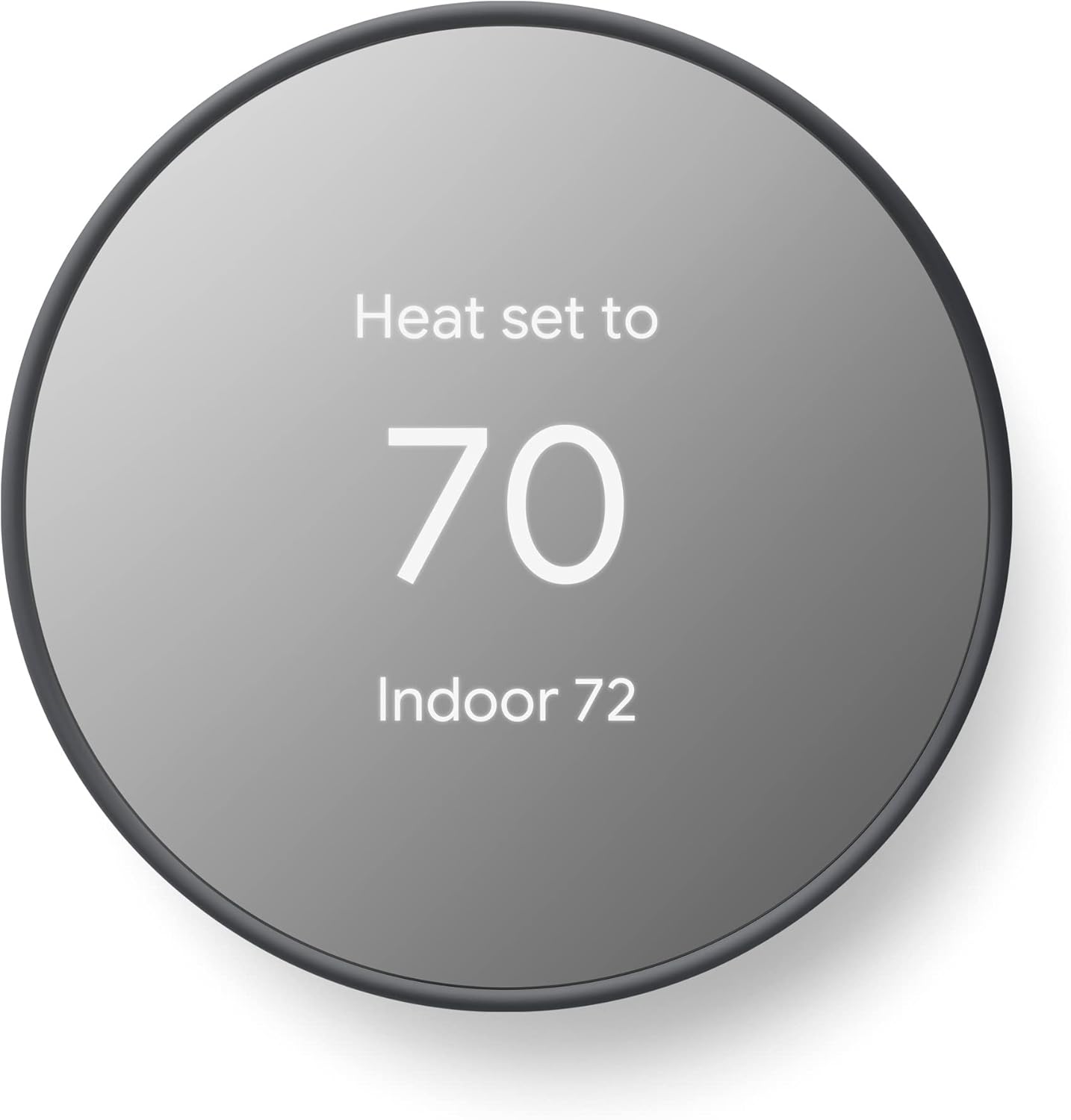
| Google Nest Thermostat - Smart Programmable | 4.1 / 5 | View on Amazon | |
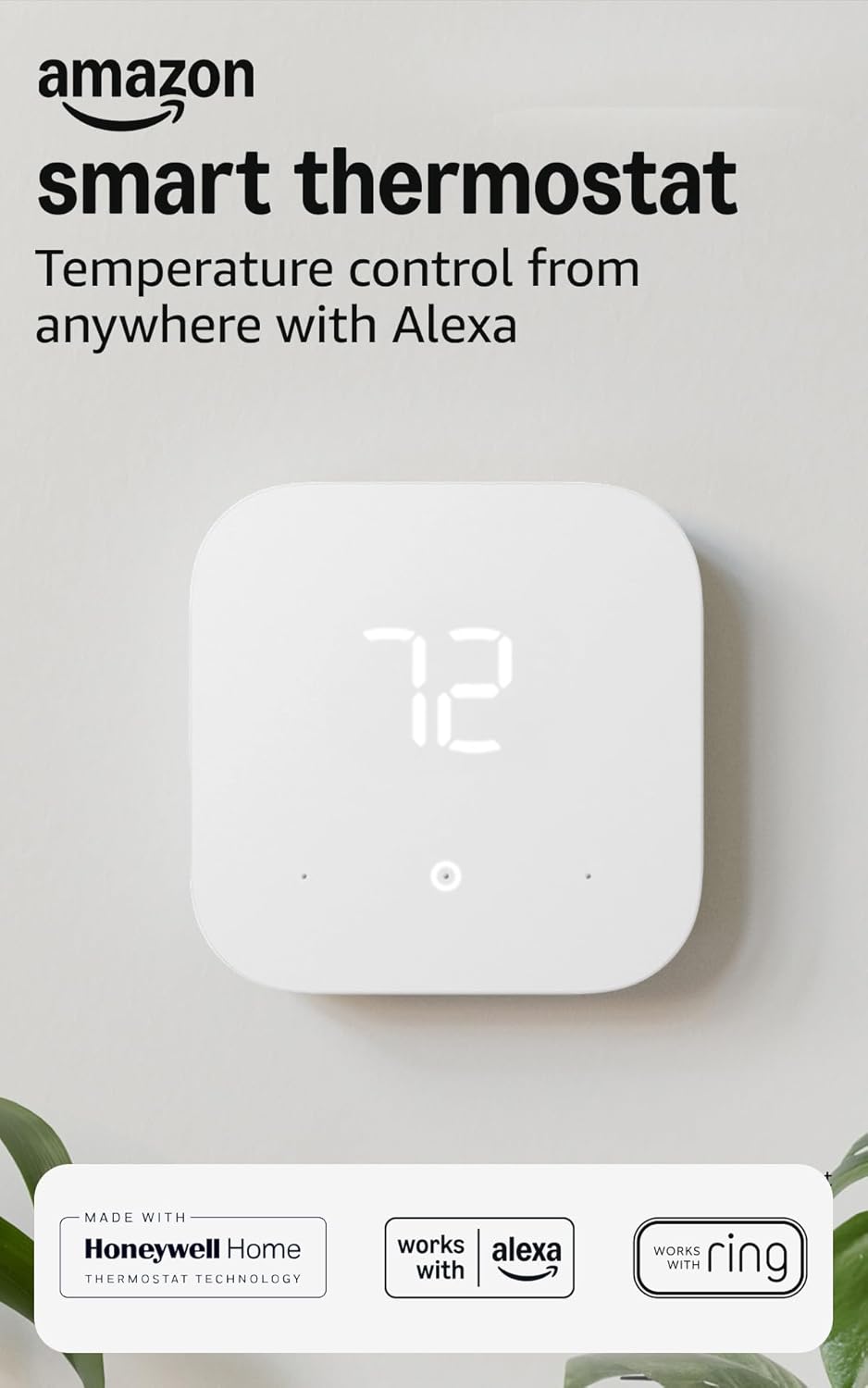
| Amazon Smart Thermostat with Alexa and Honeywell | Amazon | 4 / 5 | View on Amazon |
Ratings come from the Amazon listings when we last checked and can change.
Pros
- 5-2 day programming for weekday/weekend flexibility
- Simple installation with included wall plate
- Backlit display with large, clear text
- Customizable filter change reminders
- Works with common single-stage systems
Cons
- Not compatible with electric baseboard heat
- Requires 2 AA batteries (not included)
- No Wi-Fi or smart home connectivity
Pros
- Easy DIY installation
- Energy savings up to 23%
- Strong data privacy
- Works without C-wire in most homes
- Compatible with major smart home platforms
Cons
- Not a learning thermostat - requires manual scheduling
Pros
- Saves energy automatically
- Easy DIY installation
- Works with most HVAC systems
- Remote control via app
- 3-year warranty
Cons
- Room-by-room comfort requires extra sensors

Pros
- Energy savings from occupancy-based adjustments
- Room-by-room comfort with included sensor
- Real-time air quality monitoring and alerts
- Built-in voice assistant for hands-free control
- Simple setup with included C-wire adapter
Cons
- Siri requires an Apple home hub
- Smoke alarm alerts need subscription
- Not compatible with all HVAC systems

Pros
- Saves up to 23% on energy bills
- Easy DIY installation with clear instructions
- Works with most 24V HVAC systems
- Compatible with Alexa, Google, and HomeKit
- Free software updates for future features
Cons
- No built-in occupancy sensor
- C-wire adapter (PEK) sold separately
Pros
- Easy DIY installation in 30 minutes
- Remote control via smartphone app
- Energy-saving auto-away mode
- HVAC system monitoring alerts
- Works without C wire in most homes
Cons
- May require C wire for certain systems
- Voice control needs compatible smart device
Pros
- Works with Alexa and Ring apps
- Guided DIY installation with wire labels
- Built on Honeywell Home technology
- Programmable schedules and Alexa hunches
- ENERGY STAR certified for energy savings
Cons
- Requires C-wire or power adapter kit
- Not compatible with 110-240V systems like electric baseboard heat
- No far-field microphone; needs Alexa device for voice
When shopping for a thermostat that doesn’t need a C wire, a few key factors will determine how well it works with your system and how much you’ll enjoy using it. Here’s what to consider.
Compatibility With Your HVAC System
Not every thermostat works with every heating and cooling setup. Most models in this guide are designed for single-stage systems (1 heat/1 cool), but some support heat pumps or dual-fuel systems. The ecobee models, for example, include a Power Extender Kit (PEK) that helps them work with 90% or more of HVAC systems, while the Google Nest Thermostat works without a C wire in most homes but may need one for certain setups like heat pumps. Always check the manufacturer’s compatibility checker before buying.
Installation Effort
If you’re comfortable with basic DIY tasks, most of these thermostats are designed for easy installation. The Sensi Smart Thermostat includes a built-in level and step-by-step app instructions, and it doesn’t require a C wire in most applications. The ecobee models come with a PEK and a trim kit for a clean look. The Honeywell Home X2P is a straightforward replacement for older thermostats and runs on two AA batteries, so no wiring to the HVAC system is needed at all. If you prefer a simpler setup, battery-powered models or those with included adapters are worth prioritizing.
Smart Features and Remote Control
Smart thermostats let you adjust the temperature from your phone, set schedules, and sometimes even respond to voice commands. The Sensi, ecobee, and Google Nest models all offer Wi-Fi connectivity and app control. The ecobee Premium even has built-in Alexa or Siri, a smart speaker, and an air quality monitor. If you just want a programmable thermostat without the smart features, the Honeywell Home X2P is a reliable non-smart option that still offers scheduling. Think about whether you’ll actually use remote control or voice commands before paying extra for them.
Energy Savings Potential
Many smart thermostats claim to save energy by adjusting temperatures when you’re away or asleep. The ecobee models advertise savings of up to 23% to 26% on heating and cooling costs, while the Sensi claims about 23% savings. Actual savings depend on your usage patterns, climate, and home insulation, but scheduling and occupancy detection are the main features that help reduce waste.
Display and Controls
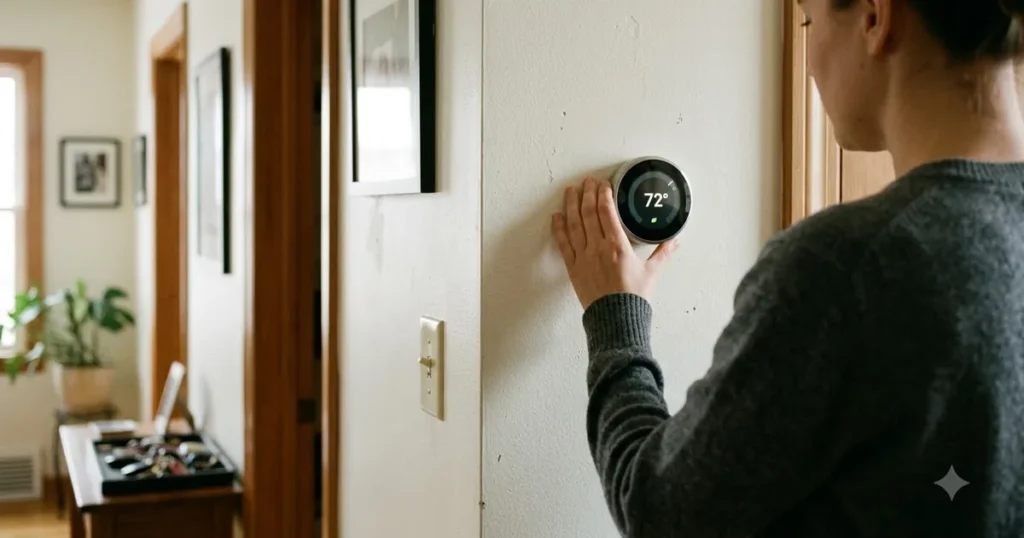
Some people prefer a simple, easy-to-read display with physical buttons, while others like a touchscreen interface. The Honeywell Home X2P has a large, backlit screen with clear fonts, which is great for quick adjustments. The ecobee models use a color touchscreen that shows temperature and energy usage. The Google Nest Thermostat has a minimalist design with a small display and a touch-sensitive ring. Consider where you’ll mount the thermostat and how often you’ll interact with it directly.
Additional Sensors and Accessories
Some thermostats work with additional sensors to improve comfort in specific rooms. The ecobee models are compatible with SmartSensors that detect occupancy and temperature in different rooms, helping prioritize comfort where people actually are. The ecobee Premium even includes one SmartSensor in the box. The Google Nest Thermostat doesn’t support separate room sensors, so if you have hot or cold spots in your home, an ecobee model might be a better fit.
Warranty and Support
A longer warranty can provide peace of mind, especially for a device that controls your home’s comfort. The ecobee models come with an industry-leading 3-year warranty, while the Honeywell Home X2P has a 1-year warranty. The Sensi and Google Nest thermostats also offer standard warranties. If you’re concerned about longevity, a longer warranty is worth considering.
Why You Should Trust Us
We compare the available specifications, features, use cases, and documented buyer feedback to identify meaningful differences between products. Our recommendations are based on what matters most to real shoppers: compatibility, ease of installation, energy savings, and practical value. We don’t claim to have tested every model in a lab, but we carefully analyze product data and customer experiences to help you make an informed decision.
We also consider the specific needs of different buyers, such as those with older homes lacking a C wire, renters who need a simple installation, or homeowners who want advanced smart home integration. Our goal is to provide clear, trustworthy guidance without hype or exaggeration.
Final Thoughts
If you want a reliable smart thermostat that works without a C wire and offers strong energy savings, the Sensi Smart Thermostat, Wi-Fi, DIY, Alexa is a solid all-around choice. It’s easy to install, works with most systems, and has a proven track record with thousands of positive reviews. For those who want the most advanced features, including built-in voice control and air quality monitoring, the ecobee Smart Thermostat Premium – WiFi is the most capable option, though it comes at a higher price.
If you’re on a tighter budget or just need a basic programmable thermostat without smart features, the Honeywell Home X2P Programmable Thermostat, White is a simple, affordable solution that runs on batteries and doesn’t require any wiring to your HVAC system. It’s a practical pick for anyone who just wants scheduling without the complexity of Wi-Fi or apps. For more winter comfort ideas, see our guide on best cool mist humidifiers.
Frequently Asked Questions
What is a C wire and why do some thermostats need it?
A C wire, or common wire, provides continuous power to a thermostat. Many older homes and HVAC systems don’t have one, which can limit which smart thermostats you can use. Some thermostats, like those from ecobee, include a Power Extender Kit to work without a C wire.
Can I install a smart thermostat without a C wire myself?
Yes, many models are designed for DIY installation. The Sensi Smart Thermostat and ecobee models include step-by-step app instructions and necessary adapters. However, if you’re unsure about your system, it’s always a good idea to check compatibility first or consult a professional.
Do all smart thermostats without C wire work with heat pumps?
Not all. Some models, like the Google Nest Thermostat, may require a C wire or additional accessory for heat pump systems. The ecobee models are compatible with most heat pumps, but it’s best to use the manufacturer’s online compatibility checker before purchasing.
How much can I save on energy bills with a smart thermostat?
Savings vary, but many ENERGY STAR certified models claim 23% to 26% savings on heating and cooling costs. Actual savings depend on your usage, climate, and home insulation. Features like scheduling and occupancy detection help maximize efficiency.
Which smart thermostat works best with Alexa or Google Assistant?
The ecobee Smart Thermostat Premium has built-in Alexa or Siri, while the Sensi and Google Nest models work with Alexa and Google Assistant through their respective apps. The Amazon Smart Thermostat is designed specifically for Alexa integration.
Do I need a smart thermostat if I have a basic heating system?
Not necessarily. If you just want to set a schedule and don’t need remote control, a programmable thermostat like the Honeywell Home X2P is a simple, affordable option. Smart thermostats are more useful if you want to adjust temperatures from your phone or use voice commands.
Can I use a smart thermostat with electric baseboard heat?
Most standard smart thermostats, including those in this guide, do not work with electric baseboard heat (120-240V). Check the product specifications carefully if you have this type of system.
What is the best smart thermostat without C wire for a rental home?
The Sensi Smart Thermostat is a good choice for rentals because it’s easy to install and remove, and it doesn’t require a C wire in most applications. The Honeywell Home X2P is also a simple, battery-powered option that won’t require any permanent wiring changes.
How long do smart thermostats typically last?
Most smart thermostats last 5 to 10 years, depending on usage and build quality. The ecobee models come with a 3-year warranty, while others offer 1-year warranties. Proper installation and avoiding power surges can help extend their lifespan.
Do I need a separate sensor for room-by-room temperature control?
Some thermostats, like the ecobee models, support additional SmartSensors that measure temperature and occupancy in different rooms. This helps prioritize comfort where people are. The Google Nest Thermostat does not support separate room sensors, so if you have uneven temperatures, an ecobee model might be better. For more on home comfort, see our guide on best humidifiers for bedrooms.
Popular buying guides
Get Black Friday deal alerts
We will email you when prices drop on products we recommend, plus a short checklist for spotting real deals. No spam. Unsubscribe any time.