If you have ever tried to clean a car interior, a flight of stairs, or a couch cushion with a full-size vacuum, you already know why a good handheld vacuum is worth owning. The challenge is that the best handheld vacuums vary widely in suction strength, battery runtime, weight, and included tools. Some are built for quick kitchen spills, others for pet hair, and a few for heavier workshop debris.
To help you decide, we compared 8 cordless handheld vacuums available in September 2026. Whether you need something lightweight for daily touch-ups or a more powerful model for the garage, the right choice depends on how and where you plan to use it.
For more cleaning guides, visit our Cleaning category.

Pros
- Strong suction for a handheld unit
- Easy to empty and clean
- Lightweight and comfortable to hold
- Good for pet hair and everyday messes
- Includes useful attachments for versatility
Cons
- Loud during operation
- Short 11-minute runtime
- Long 4-hour charge time

Pros
- Powerful motorized brush for pet hair
- Cordless lithium-ion convenience
- Easy-empty dirt bin minimizes contact
- Triple-level filtration captures fine dust
- Lightweight and portable design
Cons
- Long 8-hour charge time for 17 min runtime
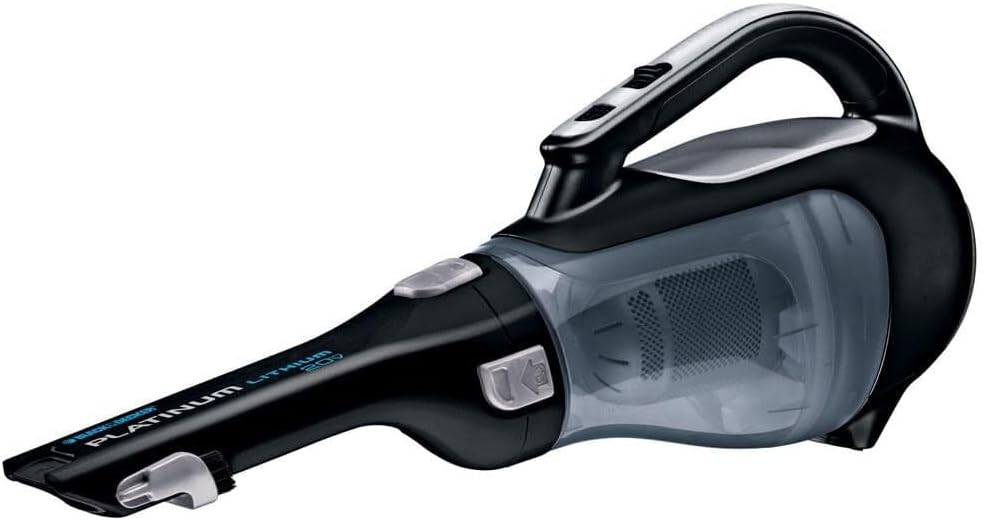
Pros
- Strong, consistent suction
- Lightweight and well-balanced
- Versatile attachments included
- Easy to empty and clean
- Compact and easy to store
Cons
- Noticeably loud during use
- Short runtime (15 minutes)
- Long charge time (4 hours)

Pros
- Pivoting nozzle reaches tight spaces
- Cordless and lightweight for portability
- Built-in crevice tool and brush
- Easy-empty translucent bowl
- Washable filter saves money
Cons
- Short 10-minute runtime
- Long 4-hour charge time
- Small dust bin capacity

Pros
- Strong suction for small and large debris
- Cordless and lightweight for portability
- Built-in crevice tool for tight spaces
- Transparent bowl easy to empty
- Washable filter maintains performance
Cons
- Short 9-minute runtime for quick tasks only
- Long 10-hour charge time
- Small dirt bowl needs frequent emptying

Pros
- Lightweight at only 1.6 lbs
- Powerful HyperVelocity suction
- Washable filter reduces maintenance
- XL dust cup holds more debris
- Rechargeable via USB
Cons
- Short 10-minute battery runtime
- Loud operation at 80 dB

Pros
- Ultra-lightweight at 1.4 lbs
- Strong suction for handheld model
- Easy one-touch emptying
- Includes useful pet and crevice tools
- Compact charging dock included
Cons
- Only 10 minutes of runtime
- Long 150-minute charge time
- Very small dust cup capacity

Pros
- Powerful 46 CFM suction
- HEPA filter for fine dust
- Versatile 6-piece attachment set
- Long runtime with optional battery
- Lightweight at 6.8 lbs
Cons
- Battery not included
- Small 0.7-liter dust capacity
- Loud at 87 dB
Best Handheld Vacuums Buying Guide for 2026
Choosing the best handheld vacuum for your situation means looking beyond price. The following criteria can help narrow down the options based on how you actually plan to use the vacuum.
Suction Power and Airflow
Suction is one of the biggest differences between handheld vacuums. Higher airflow can help with larger debris and heavier messes, while lighter-duty models are usually enough for crumbs, dust, and quick surface cleaning.
If you mainly clean kitchens, furniture, or car interiors, portability may matter more than maximum suction. For workshop debris or embedded pet hair, stronger airflow and suitable attachments become more important.
Battery Type and Runtime
Battery runtime determines how much cleaning you can finish before recharging. Some models are designed for short quick-clean sessions, while tool-platform vacuums can run much longer when paired with larger batteries.
Think about the size of the area you normally clean. A lightweight vacuum with moderate runtime may be ideal for daily messes, while longer sessions can justify a larger battery system.
Weight and Portability
A handheld vacuum should be easy to grab, carry, and store. Lightweight models are easier to use on stairs, furniture, and car interiors, especially during frequent cleanups.
Heavier models may offer more power, larger batteries, or more accessories. The right balance depends on whether convenience or heavy-duty cleaning is your priority.
Attachments and Versatility
Attachments can make a major difference in real-world use. Crevice tools help between cushions and car seats, while motorized brush tools are useful for pet hair and fabric surfaces.
Some models also include extension tubes, hoses, or floor nozzles. If you want one vacuum for several types of cleaning, a broader attachment set can add more value.
Filtration System
Filtration matters most when cleaning fine dust and allergens. Some models use HEPA filtration, while others rely on cyclonic systems and washable filters.
If you regularly vacuum fine particles, prioritize a model with stronger filtration and easy filter maintenance. For general household debris, simpler systems are often sufficient.
Dustbin Capacity and Emptying
A larger dustbin means fewer trips to the trash can. Transparent bins can also make it easier to see when the vacuum needs emptying.
Look for a release system that lets you empty debris without touching it. This is especially useful when cleaning pet hair, food crumbs, or dusty car interiors.
Build Quality and Intended Use
Different handheld vacuums are designed for different environments. Tool-oriented models may be better suited to garages and workshops, while lighter consumer models are easier to use around the house.
The brand list for this roundup includes BISSELL. Focus on the features that match your cleaning habits rather than choosing based on brand name alone.
For more home-cleaning content, visit our Home category.
Why You Should Trust Us
Our recommendations are based on available specifications, listed features, documented customer feedback, and practical buyer considerations. We do not claim to have physically tested every model.
Instead, we compare product data and focus on meaningful differences such as portability, runtime, attachments, filtration, and intended use.
Final Thoughts
For pet-focused cleaning, Bissell Pet Hair Eraser Cordless Hand Vacuum is worth considering because of its pet-oriented attachments and cordless design.
If you want something lighter for everyday quick cleanups, Shark WANDVAC Handheld Vacuum is designed around compact size and portability.
For heavier-duty garage or workshop use, DEWALT 20V Handheld Vacuum Cordless is the more tool-oriented option, especially for shoppers already using compatible DEWALT batteries.
Each model serves a different use case. Choose based on the type of debris you clean most often, the surfaces involved, and how much weight you are comfortable carrying.
Frequently Asked Questions
Are handheld vacuums good for car cleaning?
Yes. Handheld vacuums are well suited to car interiors because they are compact and easier to use in tight spaces. A crevice tool is especially useful between seats and around consoles.
How long does the battery last on a handheld vacuum?
Runtime varies by model and battery size. Smaller lightweight vacuums are usually designed for quick cleaning sessions, while larger battery-platform models may run considerably longer.
Can I use a handheld vacuum for pet hair?
Yes. Models with motorized brushes or pet-specific attachments can be especially useful for removing hair from upholstery, carpet, and car seats.
Are handheld vacuums easy to empty?
Most modern models use removable or quick-release dustbins. Look for a design that allows you to empty debris without needing to reach inside the bin.
Do I need a HEPA filter in a handheld vacuum?
HEPA filtration can be useful if you regularly vacuum fine dust or allergens. For general household crumbs and debris, a standard washable or cyclonic filter may be sufficient.
Can I use a handheld vacuum on hardwood floors?
Yes, especially for spot cleaning and debris pickup. If the vacuum includes a floor nozzle or extension tube, it may also work for larger areas.
How do I clean the filter on a handheld vacuum?
Follow the manufacturer’s instructions. Many filters can be removed and cleaned, but they should be completely dry before being reinstalled.
What is the difference between corded and cordless handheld vacuums?
Corded models provide continuous power but limit movement. Cordless models are easier to carry around the house, car, or garage but require recharging.
Which handheld vacuum is best for a workshop?
A heavier-duty model designed around a power-tool battery platform is usually better suited to workshop debris. Look for stronger airflow, durable construction, and useful attachments.
How do I choose between a lightweight and a powerful handheld vacuum?
Choose lightweight if convenience and quick cleanups matter most. Choose a more powerful model if you regularly deal with heavier debris, embedded pet hair, or workshop messes.