Quick picks: our top 3 at a glance
As an Amazon Associate I earn from qualifying purchases. Prices and availability change.


If you’ve ever stood in the pet aisle staring at a wall of brushes, you know the feeling: too many options, not enough clarity. The best dog brush for your pup depends on coat type, shedding level, and how much grooming you actually want to do. Some tools excel at removing loose undercoat, while others are better for detangling or finishing with a smooth look. This guide covers 10 of the most popular brushes available in November 2026, ranging from simple combs to multi-tool grooming kits. We’ll help you match the right brush to your dog’s coat and your grooming routine.
Grooming isn’t just about keeping your home fur-free; it also helps distribute natural oils, prevents mats, and lets you check for skin issues. Choosing wisely saves time and makes the process more pleasant for both of you. If you’re also looking for other pet essentials, check out our Pet category for more guides.
At a Glance
Ratings come from the Amazon listings when we last checked and can change.
Pros
- Self-cleaning bristle retraction
- Skin-friendly rounded tips
- Reduces loose fur shedding
- Suitable for dogs and cats
- Lightweight and easy to hold
Pros
- Patented deshedding design
- Works on all coat lengths
- Compact and lightweight
- Made in the USA
Pros
- Self-cleaning brush for easy cleanup
- Double-sided dematting comb
- Skin-friendly for sensitive pets
- Works for dogs, cats, and horses
- Includes rake and flea comb

Pros
- Gentle on pets' skin
- Removes undercoat without topcoat damage
- Comfortable ergonomic handle
- Effective for heavy shedders
- Suitable for dogs and cats
Cons
- Accumulated hair can be hard to remove
- Some pets may be wary of the tool

Pros
- Effectively removes tangles and mats
- Extra-long pins penetrate thick coats
- Gentle on skin with rounded comb tips
- Comfortable ergonomic handle
- Comes with a 2-year warranty
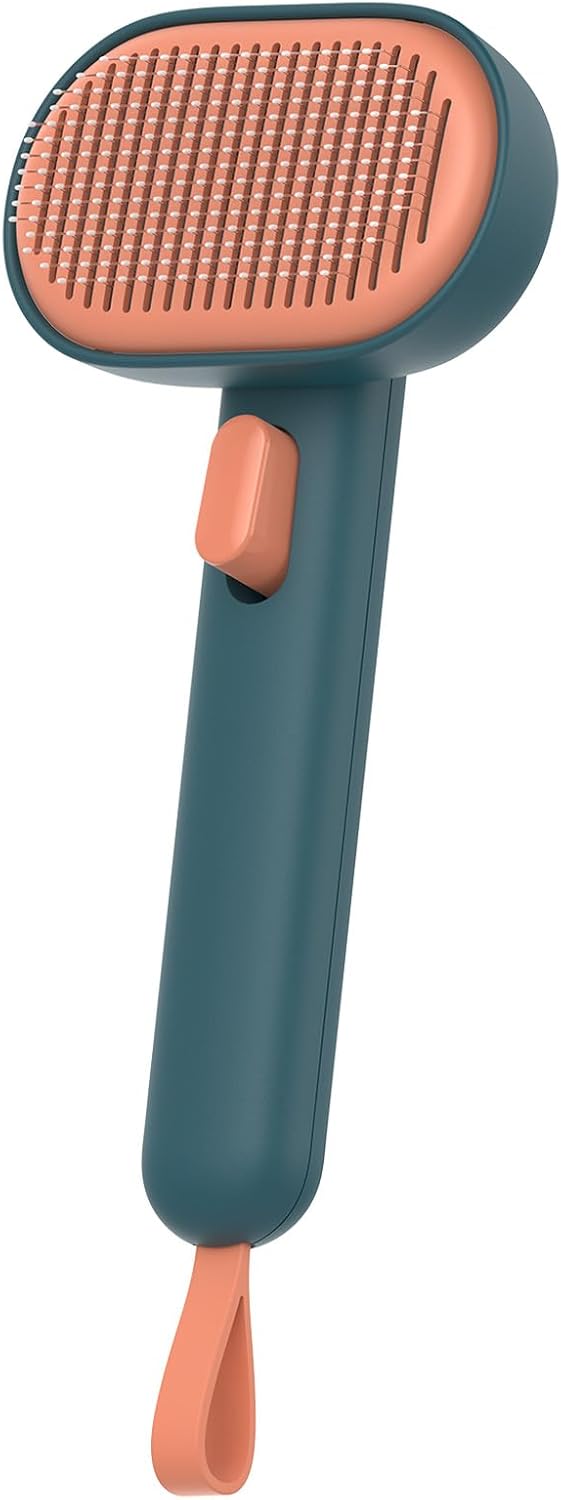
Pros
- One-click hair removal saves time
- Gentle on sensitive skin
- Sturdy bristles hold up to regular use
- Comfortable grip for extended grooming
- Easy to hang and store

Pros
- Effectively reduces shedding
- Gentle on sensitive skin
- Comfortable ergonomic handle
- Works for multiple pet types
- Easy to clean after use

Pros
- Significantly reduces shedding
- Gentle on topcoat and skin
- Easy hair removal with button
- Comfortable ergonomic grip
- Built for large long-haired dogs
Cons
- Only for large dogs with long double coats

Pros
- Self-cleaning for easy cleanup
- Effective on long and short hair
- Skin-friendly for pet comfort
- Works for dogs and cats

Pros
- Effectively reduces shedding
- Gentle on pet's skin
- Removes mats without pulling
- Durable stainless steel teeth
- Comfortable, lightweight handle
Cons
- Not designed for short-haired pets
Not every brush works for every dog. Here are the factors that matter most when choosing a brush for your pet.
Coat Type and Length
Short-haired dogs (like Labradors or Beagles) typically do fine with a rubber curry brush or a deshedding tool like a rake. Long-haired breeds (like Golden Retrievers or Collies) need a slicker brush or a comb to prevent mats and tangles. Double-coated dogs benefit from undercoat rakes that reach the dense layer beneath the topcoat. If your dog has a wiry coat, a bristle brush may be enough.
Shedding Level
Heavy shedders require tools that grab loose hair before it lands on furniture. Deshedding tools with stainless steel blades (like undercoat rakes) are designed to pull out loose undercoat without damaging the topcoat. Light shedders may only need a maintenance brush for shine and debris removal. Be realistic about how much time you want to spend brushing—some tools work faster than others.
Brush Head Size and Pin Design
Larger brush heads cover more area quickly, which is helpful for big dogs. Smaller heads are easier to maneuver around legs, ears, and faces. Pins come in different shapes: rounded tips are gentler on the skin, while bent or angled pins help grab undercoat. Self-cleaning slicker brushes have a button that retracts the pins, making hair removal much easier.
Comfort and Grip for the Handler
If you have a large breed, you’ll be brushing for a while. An ergonomic handle with a non-slip grip reduces hand fatigue. Some brushes have cushioned pads or rubberized grips. For nervous dogs, a soft-touch handle can make the experience less stressful for you both.
Ease of Cleaning
Self-cleaning brushes save time and mess. Instead of picking fur out of bristles by hand, a simple push ejects the hair. Look for brushes with a release mechanism that works smoothly. Non-self-cleaning brushes require a comb or your fingers to remove trapped hair—still effective but more labor-intensive.
Multi-Tool vs. Single Purpose
Some grooming kits include a brush, a comb, and a flea comb in one package. These can be convenient if you want versatility without buying separate items. However, individual tools often perform one job better than a jack-of-all-trades. Decide whether you need a dedicated deshedder for heavy shedding or an all-in-one for light maintenance.
Dog’s Sensitivity
Dogs with sensitive skin may react poorly to harsh pins or metal combs. Look for brushes labeled “skin-friendly” or with rounded tips. Test the brush on a small area first. If your dog flinches or seems uncomfortable, try a softer bristle brush or a model with cushioned pins. Never force a brush through a mat; use a dematting tool first.
For more help on pet grooming, visit our Pet Grooming category page.
Why You Should Trust Us
We compare available product specifications, listed features, use cases, and documented buyer feedback to identify meaningful differences between brushes. No product is recommended simply because it’s popular. We focus on practical factors like coat compatibility, ease of use, and cleaning convenience. Our picks are based on what real shoppers report and what each tool is designed to do well.
We do not claim to have physically tested every brush; instead, we rely on verified product information and widespread user experiences to highlight strengths and trade-offs. This approach helps you make an informed decision without marketing hype.
Final Thoughts
After reviewing the available options, a few brushes stand out for different reasons. The Blue Deshedding & Dematting rake is a standout for double-coated dogs that shed heavily—it reaches deep to remove loose undercoat efficiently. Its extra-wide design covers ground quickly, and the high volume of positive feedback reflects consistent performance.
For those who value convenience, the Swihauk Self Cleaning Slicker Brush offers easy cleanup and gentle pins that work well for both short and long-haired dogs. It’s a solid middle-ground option if you want a single brush for multiple coat types.
Budget-conscious shoppers should consider the Dipoo Self Cleaning Shedding Brush. It delivers effective deshedding at a lower price point, and the self-cleaning feature is a real time-saver. For less than $10, it offers strong practical value without sacrificing usability.
If you’re still unsure, start by observing your dog’s coat and how much shedding you deal with. A good brush will make grooming a quick, positive experience for you and your pet. And while you’re updating your pet gear, you might also find our Best Lint Removers of 2026 useful for keeping clothes fur-free.
Frequently Asked Questions
How often should I brush my dog?
It depends on the breed and coat. Short-haired dogs may need brushing once a week. Long-haired or double-coated dogs often require daily brushing during shedding season and every other day otherwise. Regular brushing prevents mats and reduces loose hair around the house.
What’s the difference between a slicker brush and a deshedding tool?
A slicker brush has fine, bent wires that remove tangles, mats, and loose hair from the topcoat. A deshedding tool (like an undercoat rake) has longer, sturdier blades that reach the dense undercoat to pull out loose hair before it sheds. Many dogs benefit from both.
Can I use the same brush on a cat and a dog?
Yes, some brushes are designed for both. Look for tools labeled for dogs and cats. However, consider the size and coat differences. A large rake meant for a Golden Retriever may be too harsh for a cat. Brushes with gentle, rounded pins are safer for multi-pet households.
How do I clean a self-cleaning brush?
Most self-cleaning brushes have a button or slider that retracts the pins, pushing the collected hair off the brush. Simply push the button, remove the hair clump, and release the pins back. Many models are also rinseable; just avoid submerging the handle if it’s not fully waterproof.
What brush is best for a Golden Retriever?
Double-coated breeds like Golden Retrievers benefit from an undercoat rake to remove the thick undercoat, plus a slicker brush for the topcoat. The Blue Deshedding & Dematting rake is a popular choice for this breed. A self-cleaning slicker brush can help finish the job.
Are metal combs safe for dogs with sensitive skin?
Metal combs with rounded tips are generally safe if used gently. Avoid combs with sharp edges. For sensitive skin, start with a bristle brush or a rubber curry brush before trying a metal comb. Always check your dog’s reaction.
How do I remove mats without hurting my dog?
Never pull or yank a mat. Use a dematting tool or a slicker brush with long pins to gently work through the mat from the edges inward. If the mat is tight, consider using a mat splitter or scissors (carefully) to cut it out. For severe mats, consult a professional groomer.
What is the best dog brush for short hair dogs?
Short-haired dogs like Beagles or Boxers often do well with a rubber curry brush or a deshedding tool like the Dipoo Self Cleaning Shedding Brush. These tools remove loose hair and stimulate the skin without causing irritation.
Can I use a human hairbrush on my dog?
Generally not recommended. Human brushes are designed for the texture and thickness of human hair. Dog brushes have pins or bristles suited to animal coats, which are often thicker, oilier, and shed differently. Using a human brush may be ineffective and could cause discomfort.
Do I need a separate brush for detangling and finishing?
Not necessarily. Many slicker brushes handle light detangling and finishing. But if your dog has frequent mats or heavy shedding, a dedicated dematting tool or rake combined with a finishing brush can save time and reduce pulling. Multi-tool kits offer both in one purchase.