
Affiliate Disclosure: As an Amazon Associate, we earn from qualifying purchases.
Tip: Check the latest price, product details, and current availability on Amazon or the retailer page before making a final decision.
If you’ve ever watched your tomato plants sag under the weight of ripening fruit, you know the difference a good cage makes. Flimsy wire circles often buckle by midsummer, leaving you scrambling for stakes and twine. The best tomato cages for 2026 combine sturdy construction, smart design, and the right height to support everything from compact determinates to sprawling heirloom varieties. Below we break down 10 options ranging from $15.68 to $59.95, so you can find the right fit for your raised beds or garden rows. For more gardening essentials, check out our Garden category.
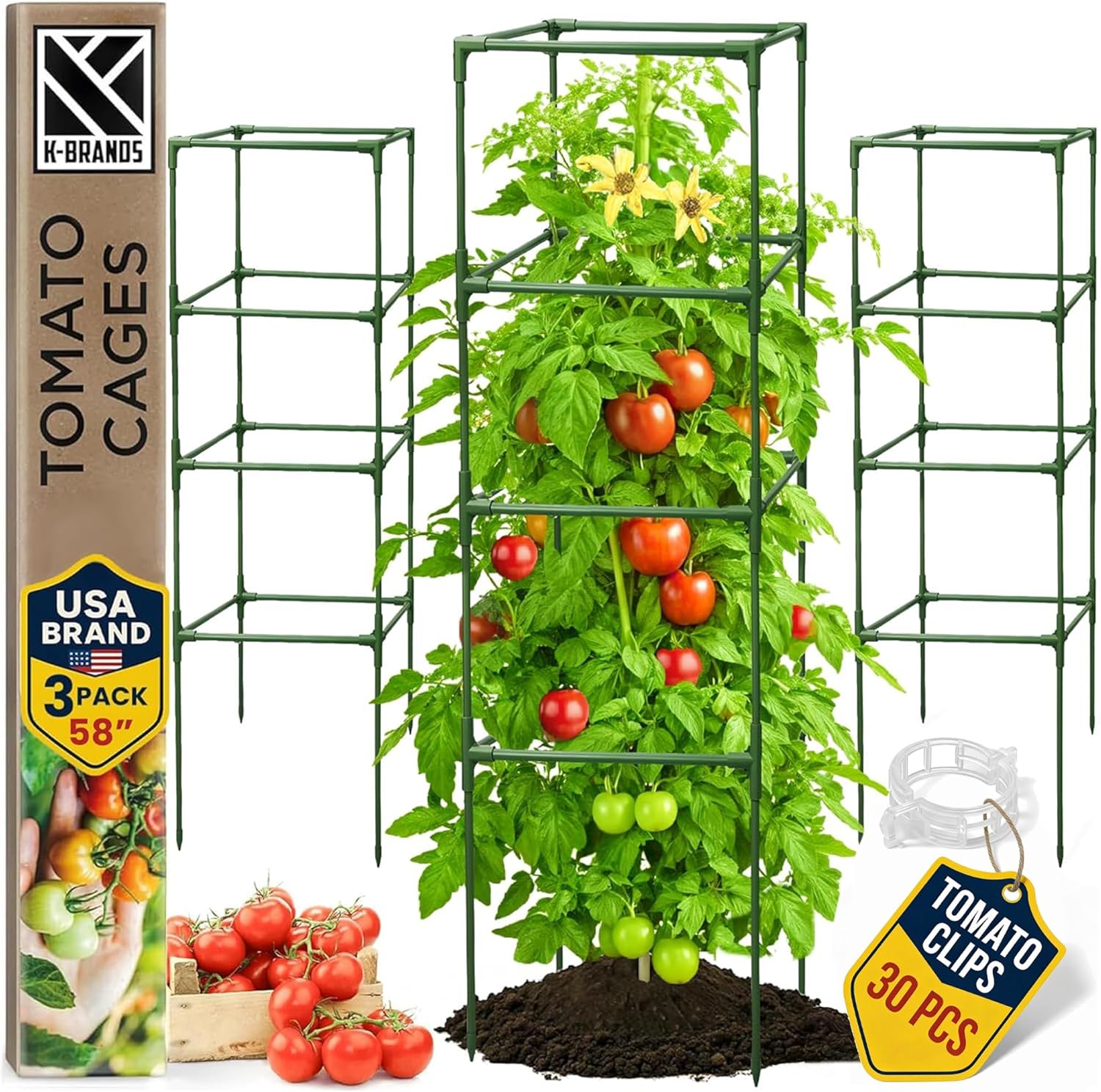
Pros
- Heavy-duty support for tall, top-heavy plants
- Modular height scales with plant growth
- Suitable for raised beds, pots, and flowers
- Easy to clean and store after use
- Three-pack covers multiple garden spots

Pros
- Adjustable height for various plant stages
- Weather-resistant and rust-proof coating
- Tool-free assembly and disassembly
- Collapsible for space-saving storage
Cons
- Plastic connectors may fail under heavy weight
- Best suited for lighter climbing plants

Pros
- Rust-proof plastic coating
- Sturdy and stable square design
- Adjustable height as plants grow
- Pointed tips for easy soil insertion
- Includes clips and twist ties
Cons
- Assembly required (not pre-assembled)
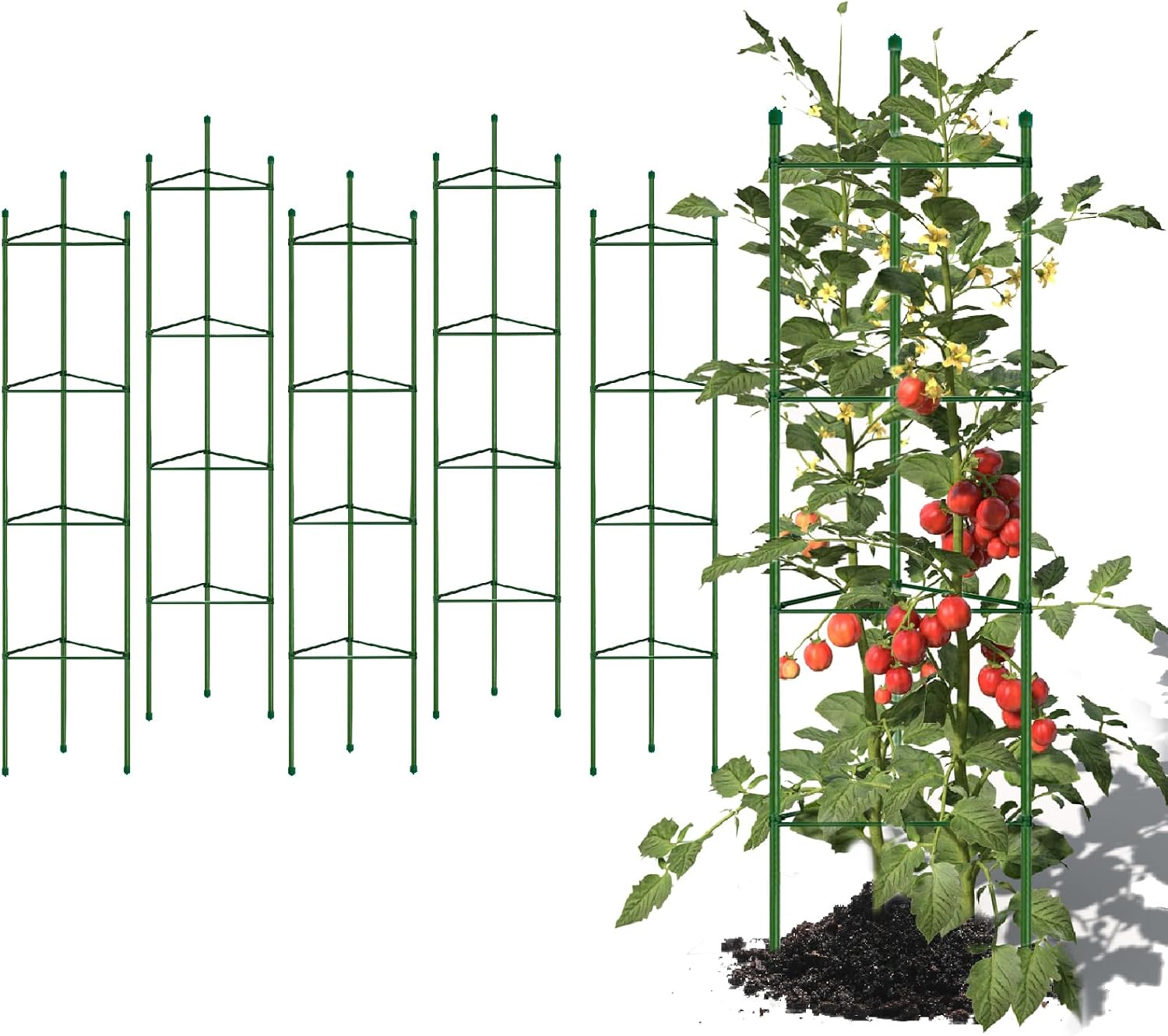
Pros
- Durable plastic-coated metal construction
- 5-foot height for tall plants
- Non-slip surface aids climbing
- Easy to install by hand
- Versatile for multiple vegetables
Cons
- May need hole digging in hard soil
- Only 1/2 inch diameter stakes

Pros
- Rust-resistant steel construction
- Height adjustable as plants grow
- Spacious square design for sunlight
- Sturdy and stable support
- Versatile for various climbing plants

Pros
- Sturdy and weather-resistant construction
- Height adjustable for tall plants
- Works in small spaces and pots
- Versatile for multiple climbing vegetables
- Tool-free assembly and adjustment
Cons
- Large plants may reduce stability
- Best in sheltered garden spots

Pros
- Adjustable height for growing plants
- Heavy-duty support up to 22 lbs
- Rust-resistant and durable materials
- Easy tool-free assembly
- Versatile for various climbing plants


Pros
- Sturdy 8-gauge galvanized wire construction
- Supports multiple vegetable types
- Tool-free installation into soil
- Folds flat for easy storage
- Stackable for tall indeterminate plants

Pros
- Weather-resistant plastic-coated steel
- Adjustable height for growing plants
- Tool-free assembly and disassembly
- Versatile shapes for different garden layouts
- Compact storage for reuse next season
Height and Sturdiness
Taller cages (55 inches or more) better support indeterminate tomatoes that keep growing all season. Shorter cages work fine for determinate plants or peppers. Sturdiness comes from the gauge of the metal and the number of vertical stakes. Heavy-duty options with thicker wire resist warping under heavy fruit loads.
Material and Rust Resistance
Most cages are made from galvanized steel or powder-coated metal. Plastic-coated steel offers a balance of durability and rust protection. If you garden in humid climates or use drip irrigation, rust-resistant finishes prolong the cage’s lifespan. Uncoated steel will eventually rust, but that doesn’t always affect structural integrity quickly.
Square vs. Round Designs
Square cages often provide more growing space inside and fit snugly against raised bed walls. Round cages are easier to store and typically cost less. Both designs can support plants, but square versions usually offer better vertical support with fewer gaps.
Adjustability and Assembly
Some cages have adjustable heights or foldable sections, which makes storage simpler and allows you to customize support as plants grow. Others require no tools and snap together in seconds. If you have limited storage space, look for collapsible or stackable designs.
Number of Legs and Ground Anchoring
Cages with more legs (three or four) stay more stable in windy conditions or loose soil. Some models include ground stakes or clips to secure the cage to the earth. For raised beds with hardware cloth bottoms, consider cages that can be pushed in without damaging the bed.
Value for Money
Prices for tomato cages range from under $15.68 to over $59.95. The cheapest options may work for a single season, while higher-priced cages often last several years. Consider how many plants you have and whether you need a bulk pack. Spending a bit more on a well-reviewed cage often saves money in the long run.
Storage and Portability
If you plan to reuse cages each year, think about how they store. Foldable cages take up minimal space. Stackable round cages nest inside each other. Square cages may require more room but often disassemble flat. For container gardeners, lighter cages are easier to move around.
Why You Should Trust Us
Our recommendations are based on available product specifications, listed features, and documented buyer feedback from thousands of verified reviews. We prioritize practical factors like height, material, ease of assembly, and real-world durability. Every cage in this guide was evaluated for its intended use case, whether that’s supporting a few patio tomatoes or a full raised bed garden. We do not claim to have physically tested every product, but we cross-check specifications and customer experiences to highlight meaningful differences.
Final Thoughts
For most home gardeners, the Heavy Duty Plant Support Stakes for Vegetables (58-inch square cage) offer a great balance of height, sturdiness, and value. With over 2,600 reviews and a strong 4.5-star rating, it’s a proven choice for indeterminate tomatoes and climbing vegetables.
If you prefer a more compact option for smaller spaces, the Round Heavy Duty Tomato Cage (55-inch steel core) is a budget-friendly pick that still provides solid support. It’s one of the least expensive models in this lineup but still holds up well for determinate plants and lighter crops.
For those who want maximum adjustability and storage convenience, the TCBWFY 4-Pack 63-Inch Adjustable Tomato Cages let you customize height from 16 to 252 inches. They’re ideal for gardeners who grow a variety of climbing plants and need flexibility from season to season. For more garden gear, explore our Garden category.
Frequently Asked Questions
What size tomato cage do I need?
Indeterminate tomatoes need cages at least 5 feet tall. Determinate varieties can get by with 3 to 4 foot cages. The width should be at least 12 to 18 inches to allow the plant room to grow.
Are square tomato cages better than round?
Square cages generally provide more internal space and sit flush against raised bed edges. Round cages are easier to store and often cheaper. Both work well if they are sturdy enough.
How many tomato cages do I need per plant?
One cage per plant is standard. In some cases, gardeners use two cages for extra-tall varieties, but a single well-sized cage usually suffices.
Do tomato cages rust?
Most steel cages will eventually rust if exposed to moisture. Powder-coated or plastic-coated options resist rust longer. Galvanized cages offer good corrosion resistance. Storing cages indoors during winter extends their life.
Can I use a tomato cage for other plants?
Yes. Tomato cages work well for peppers, cucumbers, peas, beans, and flowering vines like clematis or morning glory. Just match the cage height and sturdiness to the plant’s growth habit.
How do I store tomato cages in the off-season?
Foldable or collapsible cages take up little space. Round cages can be stacked. Square cages often disassemble flat. Clean off soil and dry them before storing to prevent rust.
What is the best tomato cage material?
Heavy-duty galvanized steel or powder-coated steel offers the best durability. Plastic-coated steel is also good and gentler on plant stems. Avoid thin wire cones that bend easily.
Do I need to stake tomatoes if I use a cage?
In most cases, a sturdy cage eliminates the need for staking. You may still need to tuck wayward branches into the cage. For very heavy producers, additional support with soft ties can help.
How much do tomato cages cost?
Prices range from around $15.68 for a single cage to over $59.95 for multi-packs of premium models. Expect to pay more for taller, heavier, or adjustable designs.
Are adjustable tomato cages worth it?
If you grow a mix of plant sizes or want to collapse cages for storage, adjustable models are very convenient. They cost more but offer flexibility that fixed-height cages cannot match.
Buying Guide
Before choosing a product, compare the core features, comfort level, size, controls, warranty, and current retailer information. Product details can change, so always confirm the latest specifications on the retailer page before buying.
Key Features to Compare
- Massage type, intensity levels, and heat settings.
- Product size, fit, storage, and ease of use.
- Noise level, cleaning needs, and everyday convenience.
- Return policy, warranty, and current availability.