Affiliate Disclosure: As an Amazon Associate, we earn from qualifying purchases.
Tip: Check the latest price, product details, and current availability on Amazon or the retailer page before making a final decision.
A leaky hose connector or a split end can turn watering chores into a frustrating mess. Instead of replacing the entire hose, a good repair kit offers a fast, inexpensive fix. But with different materials, sizes, and connector types, choosing the right one can be confusing. This guide covers 10 hose repair kits worth considering in September 2026, breaking down what matters most for your particular situation.
Whether you need to repair a standard 5/8″ garden hose, a 3/4″ heavy-duty line, or a smaller 1/2″ hose, the kits below address common failure points. For related travel-friendly gear, check out our roundup of best luggage scales of 2026.

Pros
- Corrosion-resistant aluminum connectors
- Stainless steel clamps for secure hold
- Includes male and female connectors
- Fits 3/4" and 5/8" hoses
- Quick and easy installation
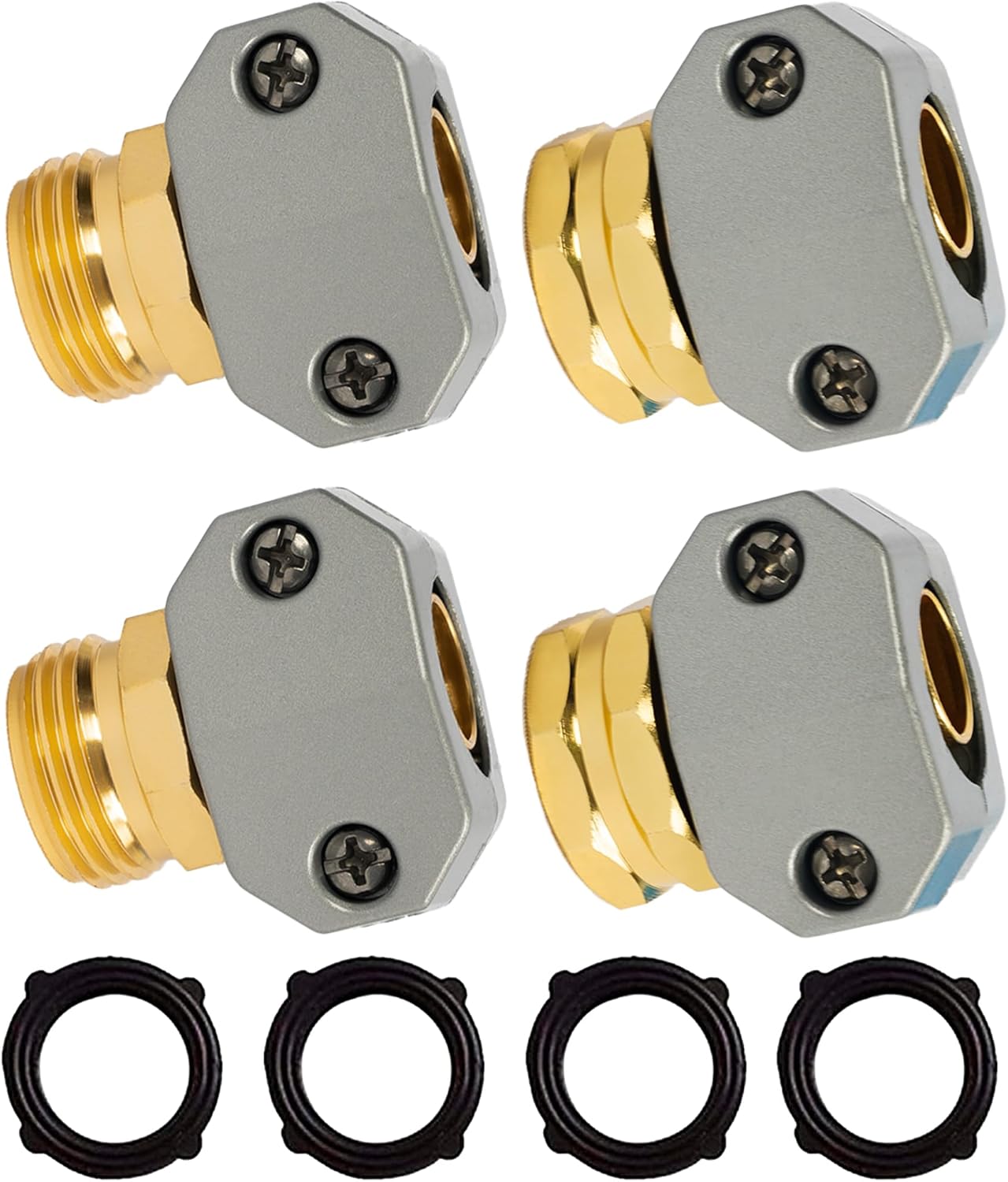


Pros
- Corrosion-resistant aluminum connectors
- Stainless steel clamps resist rust
- Four connectors and eight clamps included
- Simple insert-and-tighten installation
- Reusable for repeated hose repairs
Cons
- Requires measuring hose diameter before purchase

Pros
- Durable brass construction
- Includes extra washers and clamps
- Easy to install
- Fits standard 5/8" hoses
- Compatible with common accessories

Pros
- Durable aircraft aluminum
- Easy to install
- Leak-proof seal
- Crush-resistant construction
Cons
- Only works with 5/8-inch hoses

Pros
- Durable brass build
- Leak-free connection
- Easy to install
- Universal fit for standard hoses
- Includes stainless steel clamps
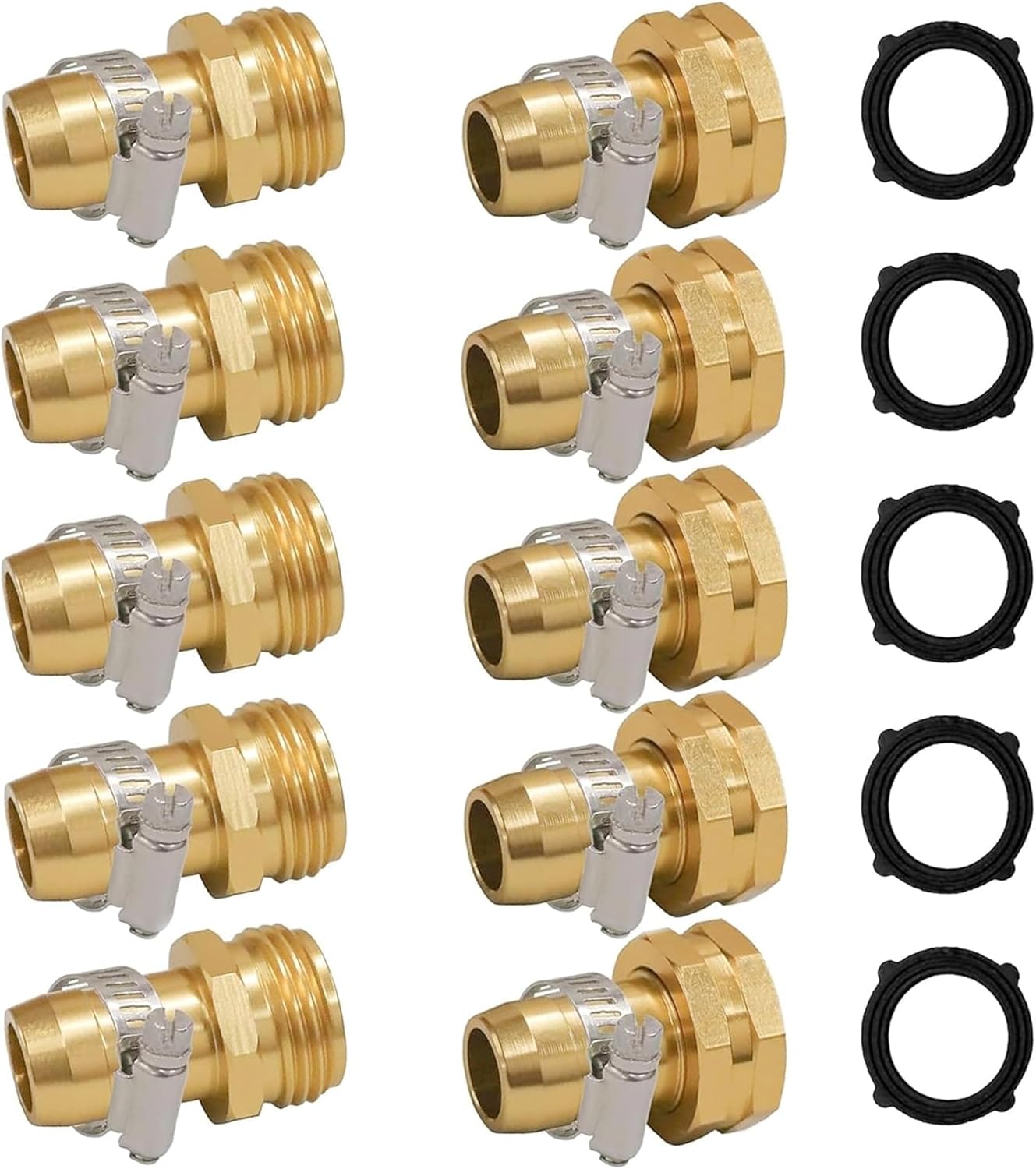
Pros
- Tool-free setup
- Leak-proof seal
- Durable aluminum and stainless steel
- Fits common hose sizes
- Multiple repair sets included
Cons
- Only fits 3/4-inch and 5/8-inch hoses

Pros
- Easy DIY installation in minutes
- Fits both 5/8 and 3/4 inch hoses
- Durable metal construction
- Includes extra fittings and tape
- Stops leaks effectively
Cons
- Some users found the included clamps less durable

Pros
- Fits 5/8" and 3/4" hoses
- Rust-resistant aluminum and zinc
- Includes extra rubber washers
- Quick and simple installation
- Stops leaks reliably
When picking a hose repair kit, the right choice depends on your hose size, the type of damage, and how often you use it. Here are the key factors to consider.
Hose Diameter Compatibility
Most residential garden hoses use 5/8″ or 3/4″ inner diameter. Some smaller hoses, like those for RV or utility use, may be 1/2″. Always check your hose’s diameter before buying a repair kit. Many kits in this guide work with both 5/8″ and 3/4″ hoses, offering versatility. Kits like the best power strips of 2026 also show how universal compatibility matters.
Material: Aluminum vs. Brass
Aluminum alloy connectors are lightweight, rust-resistant, and affordable. Brass fittings are heavier, more durable, and less likely to deform over time. For occasional repairs, aluminum works fine; for frequent use or high water pressure, brass often lasts longer.
Connector Types Needed
Decide whether you need male ends (to plug into a faucet or another hose), female ends (to attach a nozzle or sprinkler), or both. Some kits include only one type, while others offer a complete set with clamps and washers.
Number of Sets and Value
Kits come in packs of 2, 3, 4, or 5 sets. If you have multiple damaged hoses or want spares, larger packs offer better value. For a single quick repair, a 2-set kit is usually enough.
Ease of Installation
Most kits require no special tools: simply cut the damaged hose end, slide on the clamp, push the barb into the hose, and tighten the clamp. Kits with stainless steel clamps tend to hold better than plastic ones. Look for kits that include clear instructions or multiple clamps per fitting.
Included Accessories
Extra washers, spare clamps, or O-rings can make a kit more useful. Some kits provide additional rubber washers to prevent leaks at the connection point. Small extras can save a trip to the hardware store.
Why You Should Trust Us
Our recommendations are based on available product specifications, listed features, and documented buyer feedback. We compare 10 hose repair kits across key criteria like material, compatibility, included components, and user-reported ease of installation. We avoid making claims about performance we haven’t verified, and we prioritize transparency about what each product offers.
We also consider practical use cases—whether you’re fixing a single split end or preparing a spare kit for your tool shed—to match each product to the right buyer.
Final Thoughts
For most homeowners with a standard 5/8″ or 3/4″ hose, the best stocking stuffers for men in 2026 aside, a versatile repair kit that includes both male and female connectors is the smartest buy. The <a href="STYDDI Metal Heavy-Duty 5/8-inch Garden Hose offers a solid metal build and a 2-set pack for under $10 at time of writing.
If you need multiple repairs or want extra parts on hand, the <a href="5 Set Male and Female Hose Adapter kit provides five complete sets at a low per-set cost. For brass durability with a smaller 1/2″ hose, the <a href="1 Set, 1/2" Barb x 3/4" GHT is a specialized but reliable option.
Ultimately, the best hose repair kit is the one that matches your hose size and includes the connector types you need. All picks here are worth considering for 2026.
Frequently Asked Questions
What size hose repair kit do I need?
Measure the inside diameter of your hose. Common sizes are 5/8″, 3/4″, and sometimes 1/2″. Most kits in this guide fit 5/8″ and 3/4″. Always check product specs before buying.
Can I repair a hose with a split or crack in the middle?
Yes, but you’ll need a hose mender (a straight coupler) rather than an end repair. Some kits include both male/female ends and a mender; others only repair ends. Look for kits that specify “mender” for mid-hose repairs.
Are aluminum connectors durable enough for daily use?
Aluminum alloy is lightweight and resists rust, but it can bend under heavy force. For occasional use (watering plants, car washing), aluminum works fine. For constant commercial use, brass is more durable.
Do I need tools to install a hose repair kit?
Most kits are tool-free. You cut the damaged end with scissors or a utility knife, slide a clamp onto the hose, push the barbed fitting in, and tighten the clamp with a screwdriver or by hand depending on the clamp design.
How many repairs can I do with one kit?
Kits come with a certain number of sets (2, 3, 4, 5). Each set typically includes a male and female connector and two clamps. You can repair two ends per set (one male, one female). So a 2-set kit can fix two separate hoses or both ends of one hose.
Will these kits work with expandable hoses?
Expandable hoses have a different inner tube structure and often require special repair kits. Standard barbed fittings may not seal properly. Check the manufacturer’s recommendations for your expandable hose.
What should I do if the kit leaks after installation?
Ensure the barb is fully inserted into the hose, the clamp is positioned over the barb and tightened firmly, and the connector has a rubber washer if it’s a female end. Re-tighten or replace the washer as needed.
Can I reuse a hose repair kit fitting on another hose?
Technically yes, but removing the barb from the old hose is difficult and may damage the fitting. Kits are inexpensive, so it’s usually easier to use a new set for each repair.
Are brass fittings worth the extra cost?
If you have high water pressure, live in a cold climate (where freeze-thaw cycles stress connectors), or use your hose daily, brass offers better longevity. For occasional use, aluminum is a cost-effective choice.
Where can I find more gardening tool recommendations?
Browse our Garden category for more practical picks, including watering essentials and other outdoor gear.
Buying Guide
Before choosing a product, compare the core features, comfort level, size, controls, warranty, and current retailer information. Product details can change, so always confirm the latest specifications on the retailer page before buying.
Key Features to Compare
- Massage type, intensity levels, and heat settings.
- Product size, fit, storage, and ease of use.
- Noise level, cleaning needs, and everyday convenience.
- Return policy, warranty, and current availability.