Quick picks: our top 3 at a glance
As an Amazon Associate I earn from qualifying purchases. Prices and availability change.

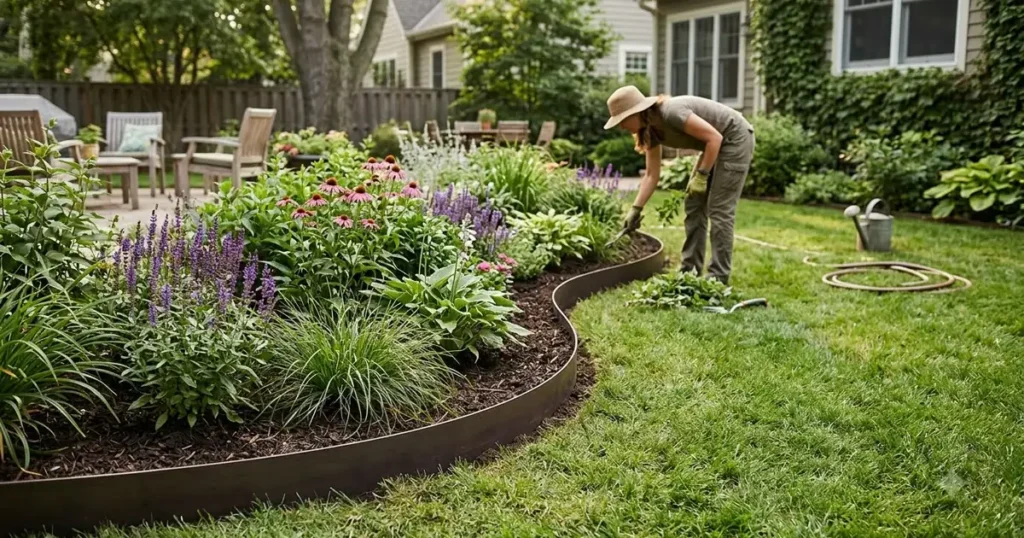
If you have curved flower beds, you know standard straight edging just won’t work. The wrong material can look awkward, fail to hold its shape, or require a lot of digging and maintenance. This guide focuses on the best garden edging for curved flower beds, helping you choose between flexible steel, no-dig plastic, and decorative options that actually follow your garden’s lines. For more on keeping your garden tidy, check out our guide on best landscape fabric of 2026.
At a Glance
| Product | Brand | Rating | Where to buy |
|---|---|---|---|
| MIXC 100ft Flexible Garden Edging | MIXC | 4.5 / 5 | View on Amazon |
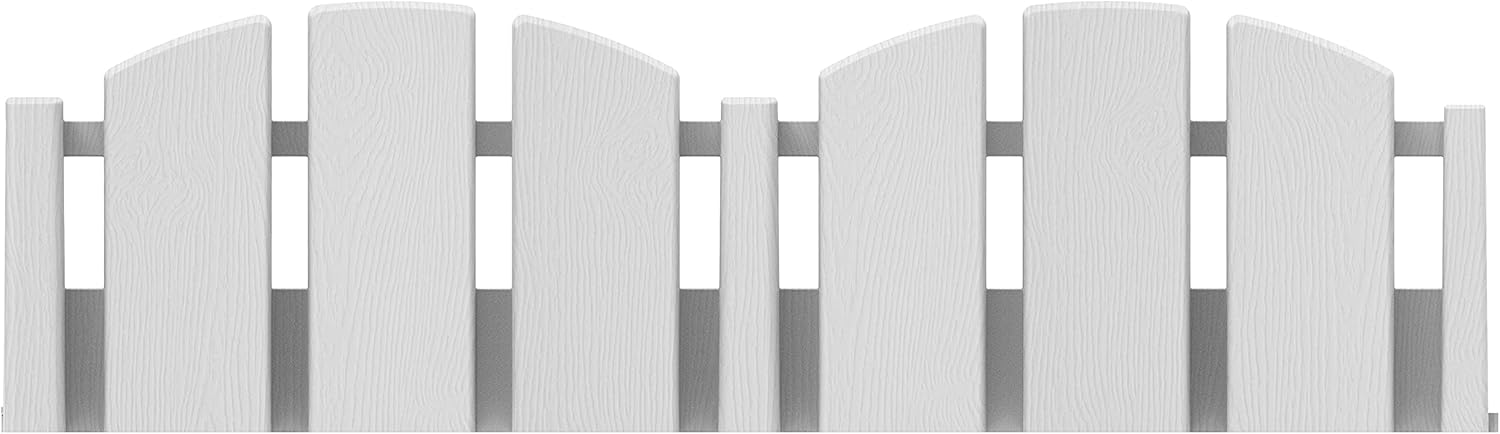
| EasyFlex No-Dig Edging Kit, White | EasyFlexLandscapeProducts | 4.4 / 5 | View on Amazon |
| EasyFlex No-Dig Stone-Look Edging, 15 ft Kit | EasyFlexLandscapeProducts | 4.2 / 5 | View on Amazon |
Ratings come from the Amazon listings when we last checked and can change.
Pros
- Flexible rubber bends easily around curves
- Tool-free installation saves time and effort
- Weather-resistant for all-season outdoor use
- Includes 150 stakes for secure placement
- Versatile for various landscaping projects
Cons
- Requires sun warming for easier bending
- May need soil watering for stake installation
Pros
- No-dig installation saves time and effort
- Flexible design fits curves and corners
- Durable and low-maintenance plastic
- Attractive white wood-look finish
- Made in USA from recycled materials
Cons
- Insufficient anchoring spikes included
Pros
- No-dig installation with mallet only
- Bends for curves and tree rings
- Holds mulch and bedding in place
- Withstands trimmers and seasonal ground movement
- Comes with all stakes and sections
Cons
- Color varies between pieces due to manufacturing
Material and Flexibility
The material determines how well the edging bends and holds its shape. Galvanized steel is strong and can be bent to form curves, but it requires some effort to shape. Plastic or rubber edging is naturally flexible and often easier to install around tight curves without tools. Consider how sharp your curves are: for gentle arcs, steel works fine; for tight circles or serpentine beds, a more pliable plastic option is better.
Installation Method
No-dig edging saves a lot of work. Products with hammer-in stakes or spiral anchors let you install without digging trenches, which is ideal for curved beds where you want to avoid disturbing plant roots. Some kits require a rubber mallet, while others are truly tool-free. If you have hard or rocky soil, look for edging with sturdy stakes that can be driven in easily, or consider watering the soil first to soften it.
Height and Visibility
Edging height affects both appearance and function. Taller edging (4 to 5 inches) creates a more defined barrier and can help contain mulch or soil. Lower profiles (2 to 3 inches) are more subtle and work well for defining pathways or separating lawn from beds without being obtrusive. Think about how much visual separation you want and whether you need to keep grass from creeping into the bed.
Durability and Weather Resistance
Outdoor edging needs to withstand sun, rain, snow, and temperature changes. Galvanized steel resists rust and holds up well over time. High-quality plastic or rubber edging should be UV-resistant and not become brittle in cold weather. Check whether the material is rated for all-season use, especially if you live in an area with harsh winters.
Length and Coverage
Measure your flower bed perimeter before buying. Kits come in various lengths, from 15-foot sections to 100-foot rolls. For larger projects, a longer roll with plenty of stakes can be more cost-effective. Some edging can be cut to size, which is helpful for fitting odd shapes or making repairs. Consider how many stakes are included: more stakes mean better anchoring, especially in loose soil.
Aesthetic Style
Edging is visible, so choose a style that complements your garden. Options range from sleek black steel to decorative wood-look or stone-look designs. White or light colors can brighten a garden, while dark tones blend in. If you want a natural look, a stone or wood texture might be better than a plain border. Think about how the edging will look with your plants and hardscape.
Maintenance and Longevity
Some edging requires occasional adjustment, especially after heavy rain or frost heave. Plastic edging with good stakes usually stays put. Steel edging may need occasional repositioning if the ground shifts. Look for products that resist cracking, fading, and breaking. Low-maintenance options that don’t require annual replacement save time and money in the long run. For more garden upkeep tips, see our picks for best garden gloves.
Why You Should Trust Us
Our recommendations are based on a careful comparison of available product specifications, features, use cases, and documented buyer feedback. We focus on practical factors like ease of installation, flexibility for curves, durability, and overall value. We do not claim to have physically tested every product, but we analyze the details that matter most to real shoppers, helping you make an informed decision without the hype.
Final Thoughts
For most curved flower beds, the 33ft. Galvanized Steel Landscape Edging (10-Pack) offers a great balance of durability and flexibility. Its galvanized steel construction resists rust, and the panels can be bent to follow gentle curves while providing a clean, modern look. It’s a solid all-around choice for those who want a permanent, professional edge.
If you prefer a no-dig, tool-free installation and need to cover a large area, the MIXC Garden Edging Border is a strong value. Its 100-foot length and 150 stakes make it ideal for extensive curved beds, and the flexible plastic is easy to shape. Just note that it has no reviews yet, so consider that if you want proven feedback.
For a decorative touch with easy installation, the EasyFlex No-Dig Landscape Edging with Anchoring in the Adirondack wood-look style adds charm without digging. It’s a bit shorter at 15 feet per kit, but the no-dig design and built-in spines make it simple to create curves and corners. It’s a great pick for smaller projects or accent borders. For more garden organization ideas, explore our Raised Garden Beds category.
Frequently Asked Questions
What is the best material for curved flower bed edging?
Flexible plastic or rubber edging is generally easiest for tight curves, while galvanized steel can be bent for gentle arcs. The best choice depends on the sharpness of your curves and your preference for durability versus ease of installation.
How do I install no-dig edging?
Place the edging along your desired line, then use a rubber mallet to drive the included stakes through the tabs or slots into the ground. No trench digging is required, making it ideal for curved beds.
Can I cut steel edging to fit my flower bed?
Yes, galvanized steel edging can be cut with tin snips or a hacksaw to fit custom lengths and shapes. This allows you to create precise curves and corners.
How tall should garden edging be?
For containing mulch or soil, 4 to 5 inches is effective. For a subtle border between lawn and bed, 2 to 3 inches is sufficient. Taller edging also helps deter grass from creeping in.
Will plastic edging become brittle in winter?
High-quality, UV-resistant plastic edging is designed to withstand temperature changes without becoming brittle. Check product specifications for cold-weather ratings if you live in a freeze-thaw climate.
How do I keep edging in place on slopes?
Use edging with plenty of stakes, and drive them deep into the soil. Some kits include spiral stakes that provide extra grip. For steep slopes, consider a heavier material like steel.
Can I use the same edging for straight and curved sections?
Yes, many flexible edging products can be used for both straight lines and curves. Some have built-in spines that allow bending, while others can be cut to create corners.
How much edging do I need for my flower bed?
Measure the perimeter of your bed and add 10 to 15 percent for waste or adjustments. Kits come in standard lengths like 15, 33, or 100 feet, so choose one that matches your measurement.
What is the difference between hammer-in and no-dig edging?
Hammer-in edging uses stakes that you drive into the ground with a mallet, while no-dig edging often uses L-shaped anchors that press into the soil without tools. Both avoid trench digging.
Is steel edging safe around children and pets?
Yes, steel edging with smooth edges and a powder-coated finish is generally safe. Avoid sharp cut edges, and consider covering them with caps or sanding them down if needed.
Popular buying guides
Get Black Friday deal alerts
We will email you when prices drop on products we recommend, plus a short checklist for spotting real deals. No spam. Unsubscribe any time.