If you have sealed tile, hardwood, laminate, or vinyl floors that are approved for steam cleaning, a steam mop can help loosen grime without relying on a traditional mop and bucket. With everything from simple floor-focused models to multi-purpose systems with handheld attachments, the right choice depends on your floor type, cleaning habits, and how much versatility you actually need.
This guide compares 7 best steam mops for September 2026, focusing on practical differences such as heat-up time, pad design, maneuverability, steam control, tank capacity, and above-floor cleaning options.
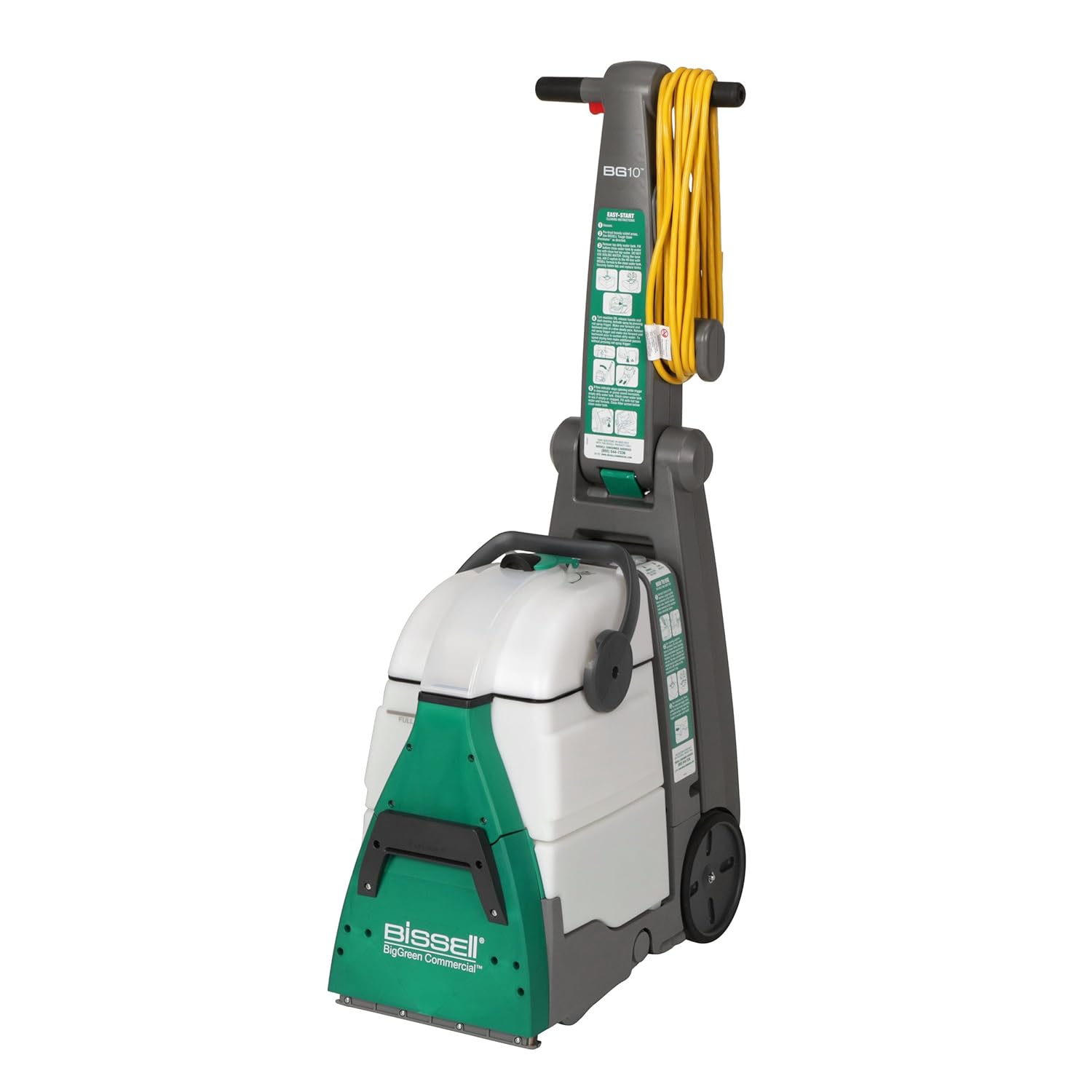
Pros
- Powerful dual-motor suction
- Large tank capacity for extended use
- Flow indicator prevents dry running
- Removable tank for easy filling
- Sturdy build for commercial durability
Cons
- Heavy at 42 pounds
- Corded power limits portability

Pros
- Chemical-free sanitization kills germs effectively
- Built-in scrubber tackles tough grime and grout
- Three steam levels for different messes
- Lightweight and easy to maneuver
- Large tank and long cord for extended reach
Cons
- May require multiple passes on very dirty floors
- Not safe for unsealed hardwood or laminate
- Some users report occasional steam output issues
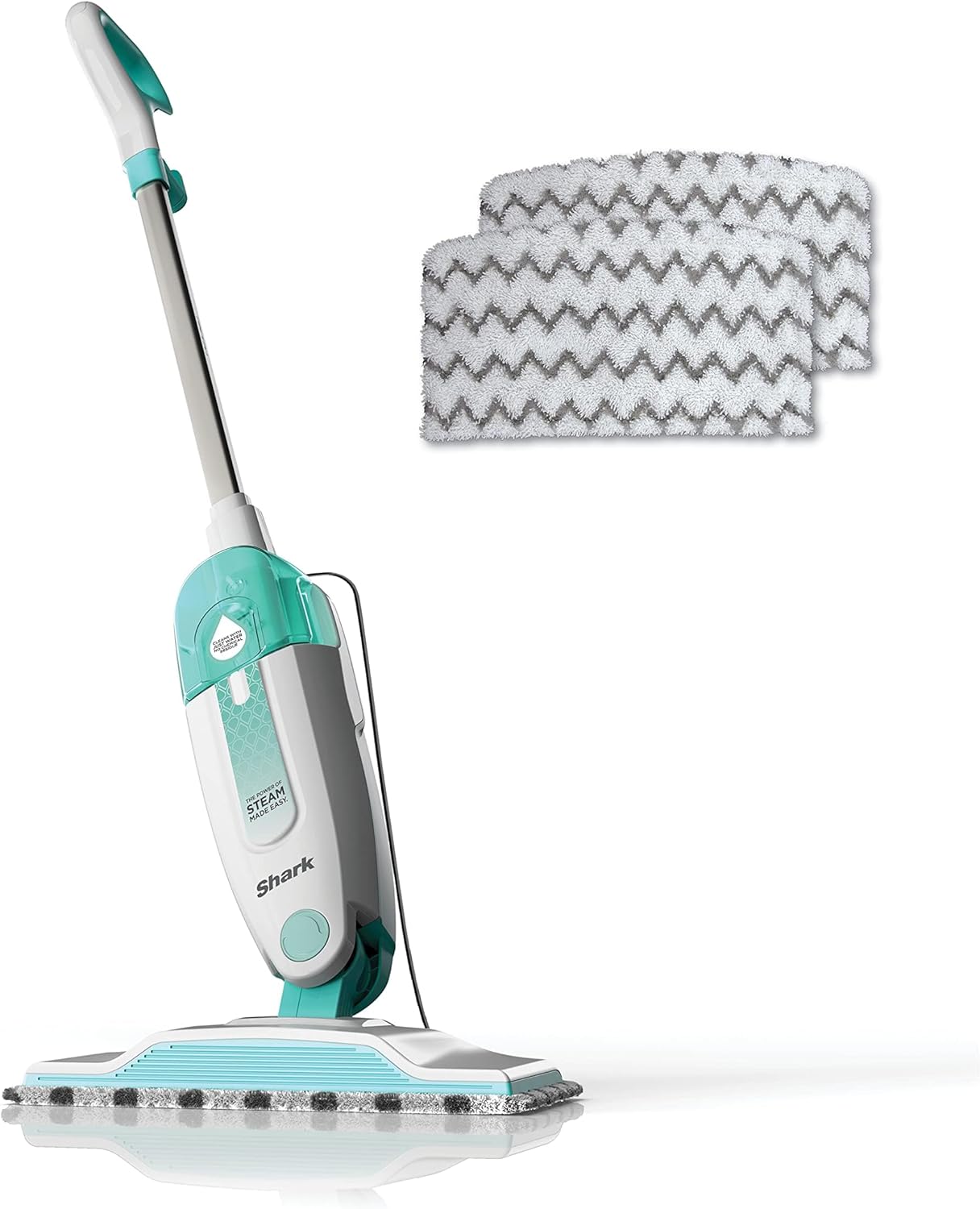
Pros
- Lightweight and easy to maneuver
- No chemicals, safe for kids and pets
- Quick 30-second heat-up time
- Removable water tank for easy refills
- Includes two washable mop pads
Cons
- Cord could be longer for large rooms
- Only for sealed hard floors, not unsealed or carpet

Pros
- Sanitizes with water only, no chemicals
- Twice as effective on stuck-on stains
- Easy to maneuver with swivel steering
- Large tank reduces refill frequency
- Pads are machine washable

Pros
- Quick 10-second heat-up
- Versatile 10-in-1 attachments
- Long cord for large rooms
- Auto shut-off for safety
- Lightweight and detachable
Cons
- Corded, not battery-powered
- Not compatible with chemical cleaners

Pros
- Chemical-free and safe for kids and pets
- Heats in 30 seconds
- Detachable handheld for multiple tasks
- Swivel head for easy maneuvering
- Includes carpet glider and many attachments
Cons
- Decreased steam output after extended use
- Replacement brushes not easily available

Pros
- Cleans tough pet messes and grease
- Tangle-free brushroll handles hair well
- Self-cleaning function reduces maintenance
- Dual tanks keep cleaning water fresh
- Versatile on sealed hard floors and rugs
Cons
- Heavy at 12.5 pounds
- Does not lay flat for under-furniture cleaning
- May require a regular vacuum for heavy pet hair
Best Steam Mops Buying Guide for 2026
Heat-Up Time
A shorter warm-up period is useful if you prefer quick cleaning sessions or frequently stop and restart between rooms. Several steam mops are designed to become ready within well under a minute, while some multi-purpose models claim even faster startup times.
Heat-up speed should not be your only deciding factor. For longer cleaning sessions, pad design, steam control, tank capacity, and maneuverability usually have a bigger effect on everyday usability.
Pad Type and Cleaning
Reusable microfiber pads are common because they can pick up loosened dirt while reducing the need for disposable cleaning supplies. Some models also use textured or rotating pads to add mechanical scrubbing for dried-on messes.
The BISSELL PowerFresh includes a flip-down scrubber, while the Shark Steam & Scrub uses powered rotating pads. These features may be useful in kitchens, entryways, and other areas where sticky residue or heavier buildup is common.
Maneuverability and Reach
Swivel steering can make a noticeable difference when cleaning around table legs, cabinets, and furniture. Weight also matters if you need to carry the mop between floors or store it in a small space.
Cord length affects how often you need to change outlets. If you have larger rooms, a lightweight model with a longer cord can reduce interruptions and make routine cleaning easier.
Water Tank Capacity
A larger water tank can reduce how often you stop to refill during a cleaning session. Removable tanks can also be easier to fill and empty at the sink.
For smaller apartments or quick touch-ups, a compact tank may be perfectly adequate. For larger homes or longer cleaning sessions, prioritize a tank that balances capacity with overall weight and maneuverability.
Steam Control Settings
Adjustable steam levels give you more control over how the mop handles different surfaces and messes. Lower settings may suit lighter maintenance cleaning, while stronger output can help with more stubborn residue on compatible sealed floors.
Models such as the Shark Steam & Scrub and BISSELL PowerFresh offer multiple cleaning or steam settings. Simpler models may use a single steam level, which can still work well if your cleaning needs are straightforward.
Versatility and Handheld Attachments
Some steam mops are designed only for floors, while others convert into handheld steam cleaners for tasks around grout, fixtures, upholstery, windows, or garments when the included accessories support those uses.
The PurSteam 10-in-1 and LABIGO 10-in-1 are examples of more versatile designs with multiple attachments. A convertible model can make sense if you want one appliance for several steam-cleaning tasks, while a floor-focused model may be easier to use and store if floors are your main priority.
Value and Features
Entry-level steam mops typically focus on straightforward floor cleaning, while more feature-rich models may add adjustable steam, powered scrubbing, larger tanks, or detachable handheld tools.
Choose based on the features you will actually use rather than assuming the model with the longest feature list is automatically the better purchase. A simpler steam mop can be the more practical choice if you mainly need routine sealed-floor cleaning.
Why You Should Trust Us
We compare available product specifications, listed features, intended use cases, and documented buyer feedback to identify meaningful differences between steam mops. The goal is to help you match a product to your floor type, cleaning routine, storage space, and preference for either simple floor cleaning or added versatility.
We do not claim to have physically tested every model in this guide. Our comparisons are based on the product information and documented customer feedback available for the products being reviewed.
Final Thoughts
For households that want a straightforward floor-focused option with adjustable steam and added scrubbing capability, BISSELL Steam Mop 1940A PowerFresh Floor Steam is a practical option to consider. Its feature set is aimed at routine cleaning on compatible sealed hard floors.
If you regularly deal with tougher residue and prefer powered scrubbing, Shark Steam & Scrub Hard Floor Steam Mop uses rotating pads to add mechanical cleaning action. That design can be useful in kitchens, bathrooms, and other high-traffic areas.
For shoppers who want more than floor cleaning, PurSteam 10-in-1 Steam Mop adds a detachable handheld steamer and multiple accessories. It is better suited to buyers who value versatility and want one steam-cleaning system for several household tasks.
Frequently Asked Questions
Are steam mops safe for hardwood floors?
Steam should only be used on hardwood when the flooring manufacturer specifically allows it and the surface is properly sealed. Heat and moisture can damage some wood flooring, especially unsealed, waxed, damaged, or moisture-sensitive surfaces.
Always check the care instructions for your specific flooring before using a steam mop.
Can I use tap water in a steam mop?
This depends on the manufacturer and the mineral content of your water. Some manufacturers recommend distilled or demineralized water to reduce mineral buildup inside the steam system.
Check the owner’s manual for the model you buy before deciding what type of water to use.
How often should I clean the mop pads?
Reusable pads should generally be cleaned after use so dirt and residue do not remain trapped in the fibers. Follow the manufacturer’s washing instructions because pad materials and care recommendations can vary.
Allow the pads to dry fully before storing them.
Which steam mop is best for tile grout?
For grout and stubborn residue, look for a model with stronger scrubbing features or a detachable handheld steamer with an appropriate brush attachment.
Floor-focused models with scrubbers can help with surface-level cleaning, while a handheld attachment gives you more control when targeting narrow grout lines.
How long does a steam mop take to heat up?
Many modern steam mops are designed to warm up quickly, but exact times vary by model. Some products advertise startup times measured in seconds, while others may take longer.
Check the manufacturer’s specifications and wait for the ready indicator before beginning to clean.
Can I use cleaning solutions in a steam mop?
Only use cleaning solutions if the manufacturer specifically says they are compatible with the machine. Many steam mops are designed to operate with water alone.
Adding an unapproved chemical or detergent can potentially damage internal components or interfere with steam production.
What surfaces can a steam mop be used on?
Steam mops are generally intended for compatible sealed hard-floor surfaces, but suitability varies by flooring manufacturer and mop model.
Avoid assuming that every hardwood, laminate, vinyl, or stone floor is steam-safe. Always check both the flooring care instructions and the steam mop manufacturer’s recommendations.
How do I store a steam mop?
Empty the tank when recommended by the manufacturer and allow the mop and pads to dry before storage. Keeping moisture inside the machine for long periods can contribute to odors or mineral buildup.
If storage space is limited, look for a lightweight model with a compact body, removable tank, or collapsible components.
Is a steam mop better than a traditional mop?
Neither option is automatically better for every home. Steam mops can reduce the need for a bucket and may help loosen grime on compatible sealed flooring, while traditional mops work on a wider range of surfaces and do not require electricity.
The better choice depends on your flooring, cleaning preferences, storage space, and how much maintenance you want.
What should I look for in a steam mop for a large home?
For larger spaces, prioritize a practical combination of tank capacity, cord length, weight, pad design, and ease of maneuvering. Fewer refill stops and fewer outlet changes can make a noticeable difference during longer cleaning sessions.
If you clean multiple rooms at once, comfort and ease of use are often more important than having the longest list of attachments.